



News
When people think about paper-based cushioning, one question often comes up: Can paper really protect products weighing tens or even hundreds of kilograms?
For heavy-duty packaging, load-bearing performance is not determined simply by paper weight or material thickness. The structure of the cushioning material plays an equally important role.
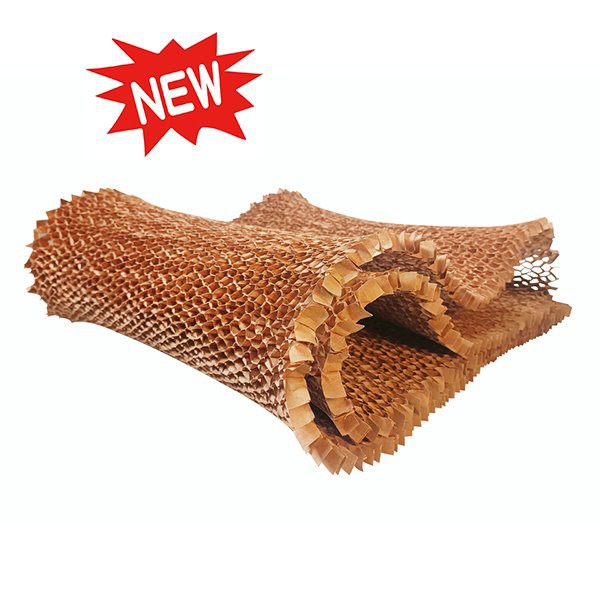
WiAIR 3D Honeycomb Paper Mat uses paper as its base material and transforms a flat sheet into a three-dimensional cushioning structure. Its interconnected 3D honeycomb cells create a structural support network that helps distribute pressure and absorb impact. Depending on paper basis weight, structural thickness and honeycomb dimensions, the material can be configured for different product weights and applications, with load-bearing capacity of up to 500 kg under applicable conditions.
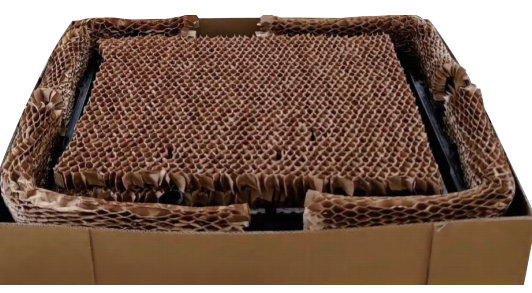
Different Structures, Different Protection Mechanisms
Traditional plastic cushioning materials such as bubble wrap and EPE foam primarily rely on material thickness, flexibility and trapped air or foam cells to absorb impact and compression. They are lightweight and convenient, but their cushioning performance is closely related to material thickness and the amount of material used.
3D Honeycomb Paper Mat takes a different structural approach. Instead of relying primarily on additional material thickness, the paper is formed into interconnected three-dimensional honeycomb cells. When an external force is applied, the structure helps distribute and transfer the load across multiple cells rather than concentrating the entire force in one location.
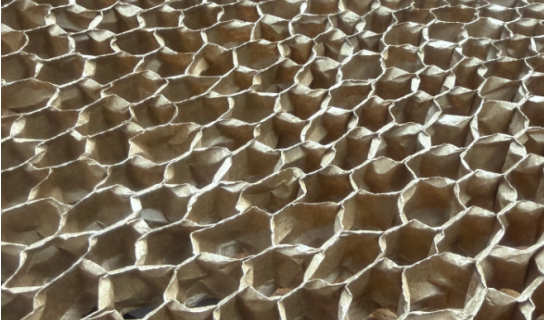
The difference, therefore, is not simply paper versus plastic. It is also about how the cushioning structure manages force.
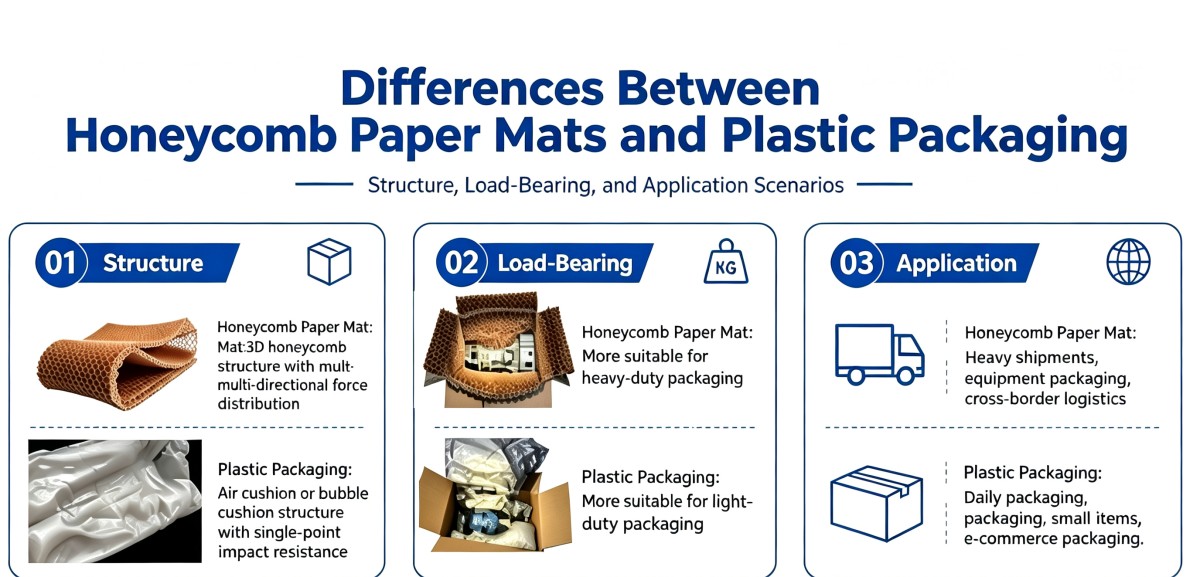
Structural Design Is Critical to Packaging Performance
For products weighing tens or hundreds of kilograms, simply adding more cushioning material is not always the most efficient approach. Traditional soft cushioning materials may require additional thickness or multiple layers as product weight increases. Under sustained compression, however, cushioning materials can deform, particularly at high-load areas.
3D Honeycomb Paper Mat is designed around a different principle: structural support through interconnected cells. When a concentrated load is applied to a specific area, the 3D honeycomb structure helps distribute the force across surrounding cells. This creates a combination of cushioning and load-bearing support.
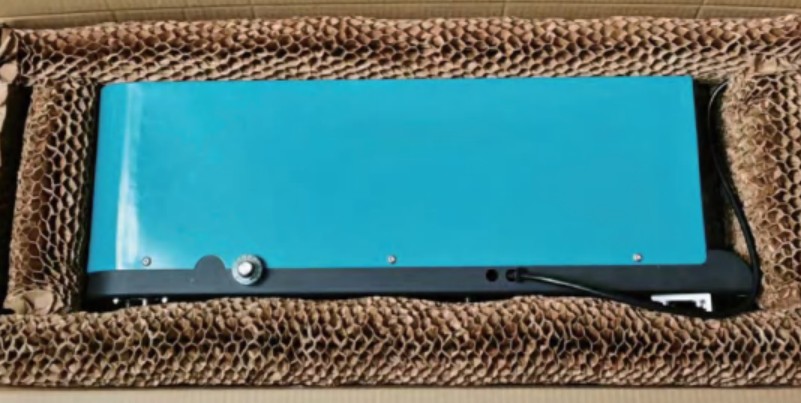
In practical packaging applications, this can help provide stable bottom support and cushioning for machinery, metal components, furniture, ceramics and other medium- to heavy-duty products.
Heavy-Duty Packaging Requires Consistent Protection
For heavy products, protective packaging needs to do more than keep the product covered. During transportation and handling, packages can experience vibration, impact, compression and repeated loading. If the cushioning material loses its structural stability, the outer package may remain intact while the product inside is still exposed to excessive force.
Conventional plastic cushioning materials typically rely on bubbles or foam layers to provide protection. As product weight increases, these structures can experience sustained compression, with greater pressure concentrated around the bottom surface, corners and protruding areas. Over longer transportation cycles, this can affect both cushioning performance and package integrity.
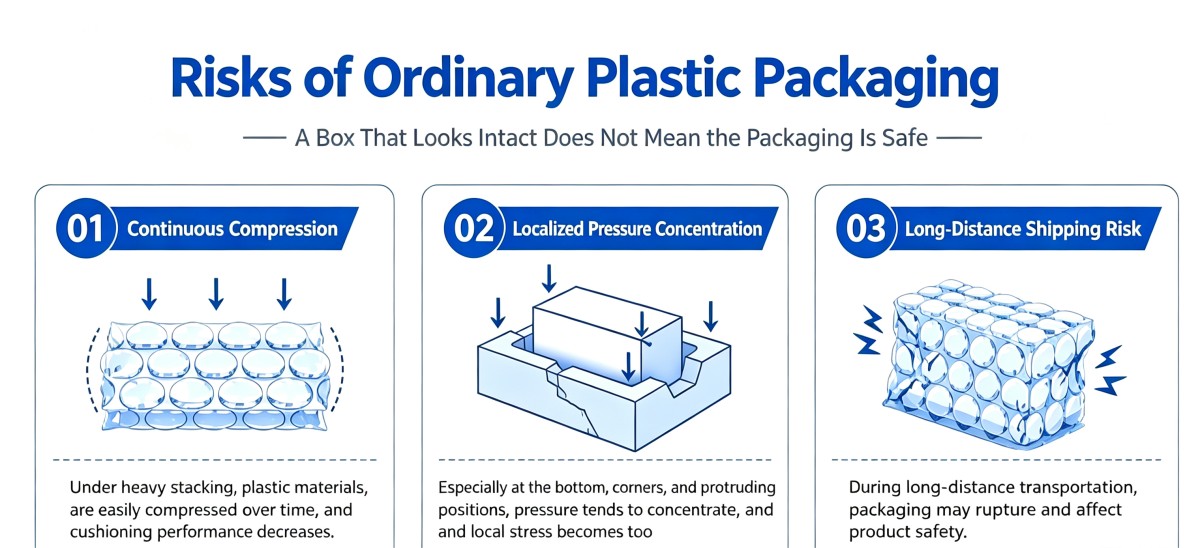
3D Honeycomb Paper Mat can be used as a bottom cushioning layer, support structure, separator or positioning material, depending on the product geometry and packaging design. This makes it possible to develop protective packaging around the actual load points of the product rather than simply adding more wrapping material.
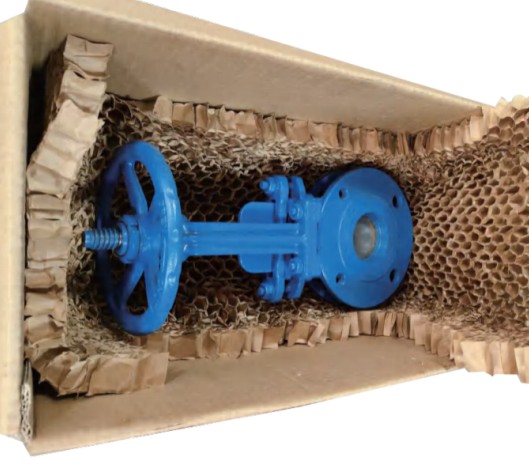
Paper Can Be Part of a Heavy-Duty Cushioning Strategy
Paper-based packaging is often associated with lightweight products. 3D Honeycomb Paper Mat demonstrates how structural engineering can extend the application of paper-based cushioning into heavier packaging scenarios.
Its performance comes from the combination of paper material and three-dimensional structural design. By converting a flat paper sheet into an interconnected honeycomb structure, the material can provide cushioning, load distribution and structural support without relying solely on greater material thickness.
For manufacturers and packaging engineers looking to reduce plastic use while maintaining transportation protection, 3D Honeycomb Paper Mat provides another option for packaging optimization.
From lighter products to heavy-duty applications, different paper weights, structural thicknesses and honeycomb configurations can be selected according to product requirements.
The key takeaway is simple: paper does not have to mean low strength. With the right structural design, paper-based cushioning can be engineered for demanding protective packaging applications.


Popular Products
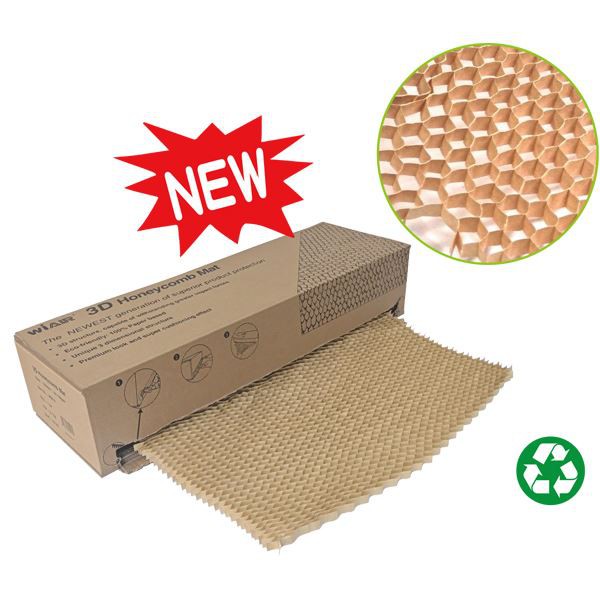
 3D Honeycomb Paper Mat Box Dispenser3D Honeycomb Paper Mat Box DispenserThe perfect fragile wrap material! This dispenser Box is so easy to operate! Just pull the Honeycomb Material from the Box and tear it off manually. Every box contains up to 30 meters stretched 3D Honeycomb Paper Mat Material....READ MORE
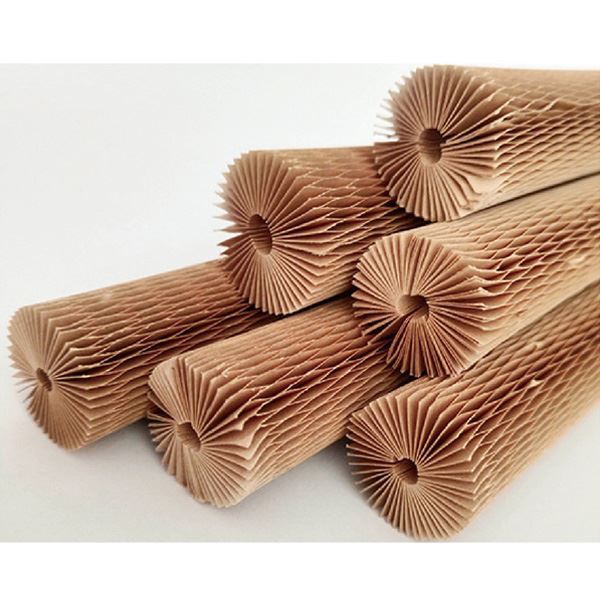
 3D Honeycomb Paper Mat3D Honeycomb Paper MatThe 3D Honeycomb Paper Mat Systems are converting the Honeycomb Paper Core Material into the 3 dimensional structured 3D Honeycomb Paper Mat packaging material which offers both, superior cushioning effect and highest flexibility...READ MORE
 Honeycomb Paper SleeveHoneycomb Paper Sleeve3D Honeycomb Paper Sleeve-The Plastic-Killing Revolution! 100% biodegradable, hexagonal structure replaces bubble wrap & foam! Unmatched shockproof protection for electronics, fragile goods and industrial parts...READ MORE
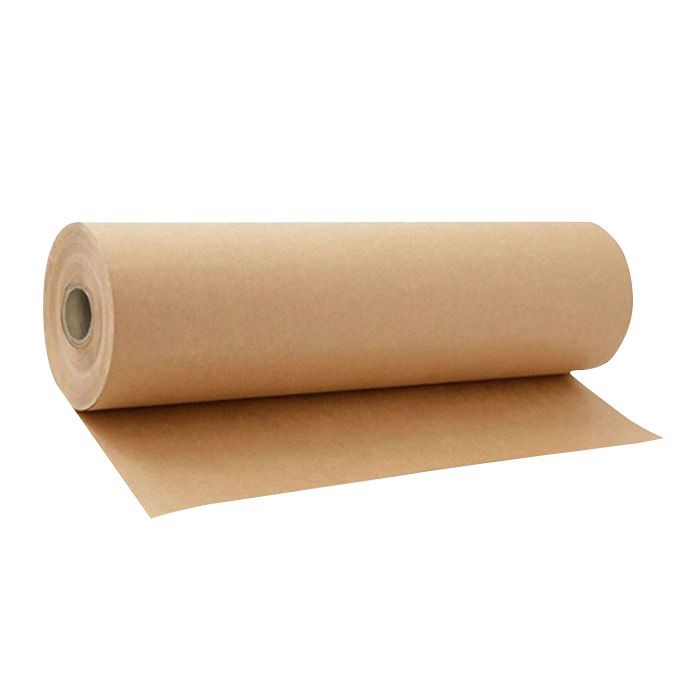
 Triple Fold Kraft PaperTriple Fold Kraft PaperWhy choose paper cushion packaging? At present, the buffer packaging on the market basically uses plastic consumables, a large part of which are non-degradable and non-recyclable, causing great pollution to the environment. Countries around the world have successively introduced policies to...READ MORE
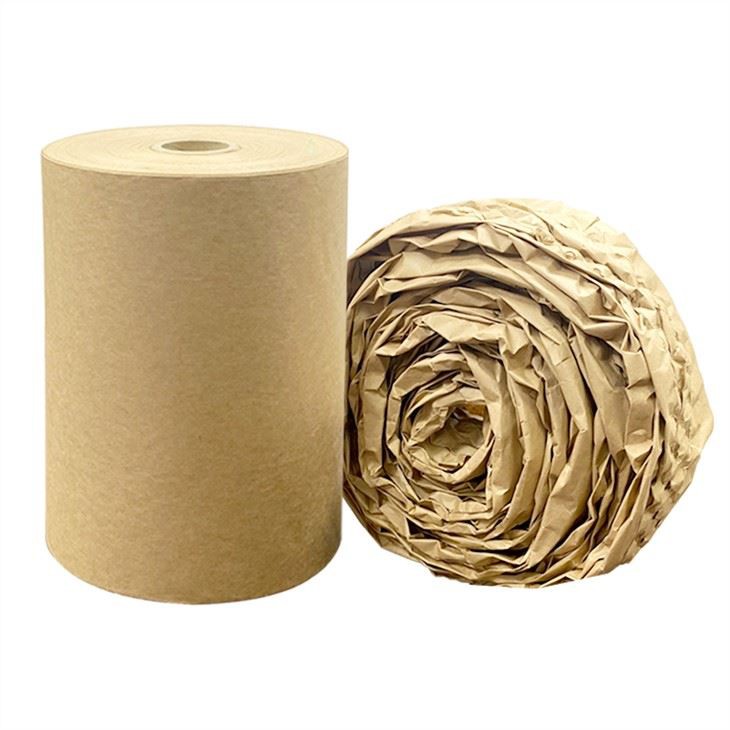
 Roll Cushion PaperRoll Cushion PaperKraft paper rolls are made of natural coniferous resin fibers, which can be degraded and decomposed, so they will not harm the environment. The kraft paper roll is extruded by the paper pad machine to become a kind of cushion paper cushion, which can be used to wrap items or fill space with good cushioning effect..READ MORE
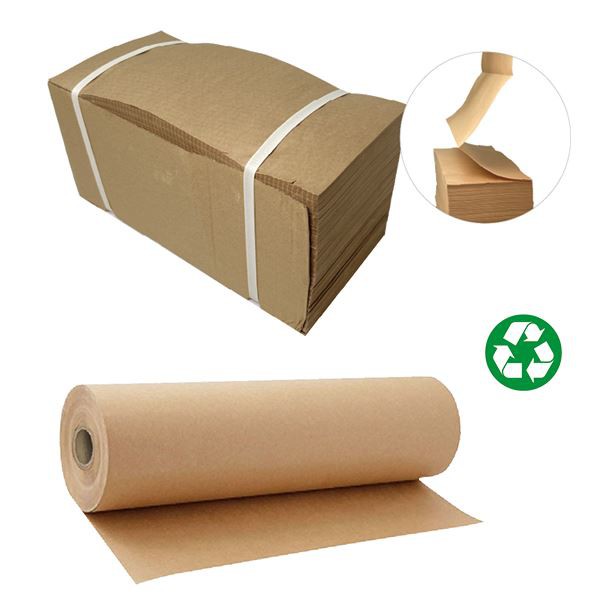
 Z-Fold Cushion PaperZ-Fold Cushion PaperRip & Go - Eco Protection Revolution! Tear free no tools required! Special pre-cut tear lines let you snap perfect lengths - zero waste! Made from reinforced paper pulp, protects up to 10kg items (100% recyclable!)...READ MORE
Send Inquiry