



As companies look to reduce plastic in their packaging, a practical challenge quickly emerges:
Plastic needs to be reduced, but product protection cannot be compromised.
Packaging materials need to be more sustainable, but efficiency and cost still matter.
This is where paper-based protective packaging is evolving. Through structural processes such as paper embossing and 3D honeycomb forming, paper can be transformed from a flat sheet into a cushioning structure that provides wrapping, separation, impact protection, and space cushioning for different products.
Paper-Bubble and Honeycomb Paper Sleeve represent two different approaches to paper cushioning. Paper-Bubble offers flexibility for lightweight products, while Honeycomb Paper Sleeve provides a more structured level of protection for fragile products.
So, how should you choose between the two?

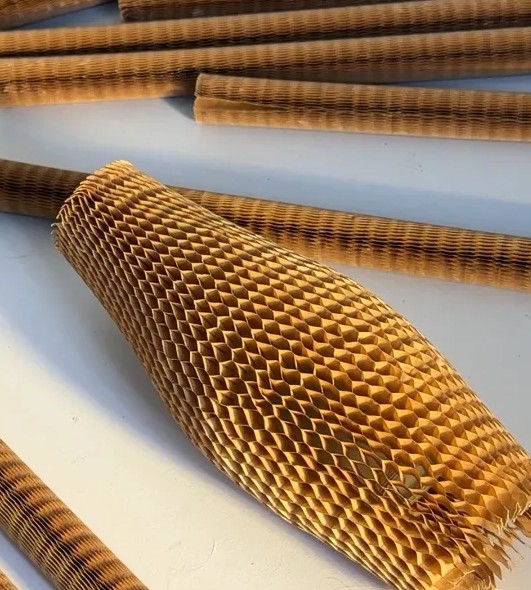
Paper-Bubble: Giving Flat Paper Cushioning Performance
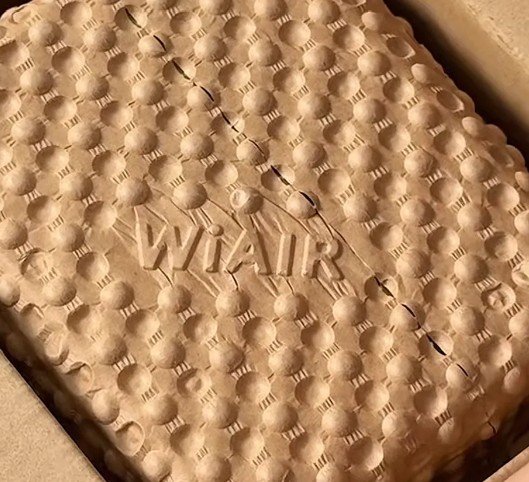
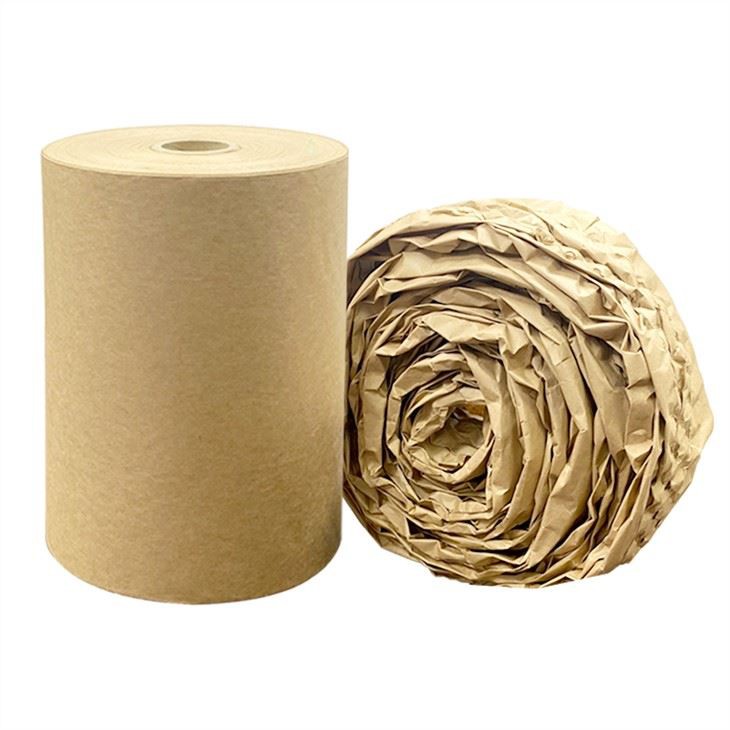
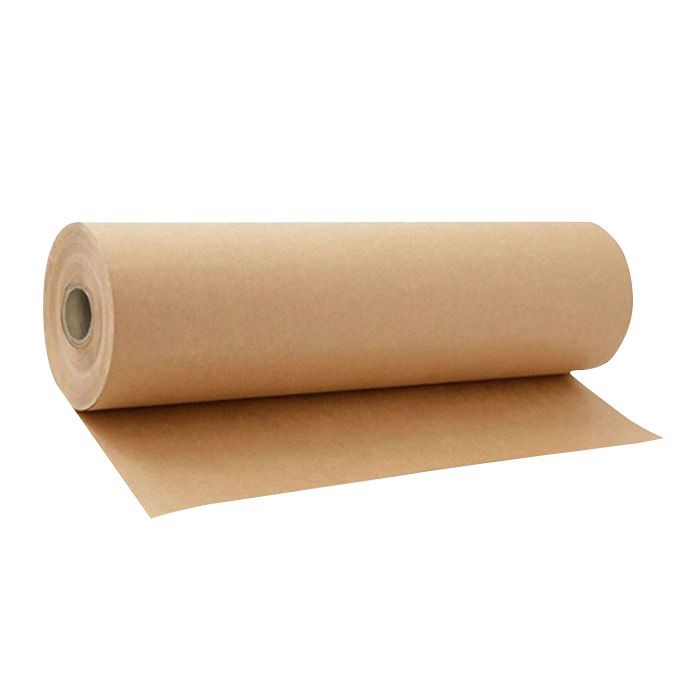
Paper-Bubble uses a specialized embossing process to turn flat kraft paper into a three-dimensional structure. The resulting material creates a cushioning layer that can be used for wrapping and basic product protection.
For lightweight products such as e-commerce goods, household items, cosmetics, electronics, and gifts, the primary packaging needs are often scratch protection, impact resistance, flexible wrapping, and fast packing. In these applications, Paper-Bubble can be a practical option to evaluate.
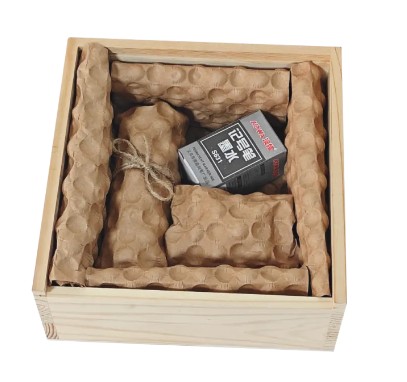
Its embossed structure creates additional space around the product, providing a cushioning layer while maintaining the flexibility needed for wrapping different shapes.
Paper-Bubble can also be customized with different bubble patterns and logos, allowing product protection and brand presentation to work together.
Honeycomb Paper Sleeve: Structured Protection for Fragile Products
When the protection requirements increase—especially for fragile products such as glass bottles and ceramics, or products where appearance is important—a simple paper wrap may not provide enough protection against impacts and compression during transportation.
Honeycomb Paper Sleeve uses a three-dimensional honeycomb structure to create a cushioning space around the product. The sleeve provides 360-degree coverage, creating a structured protective layer between the product and the outer package.
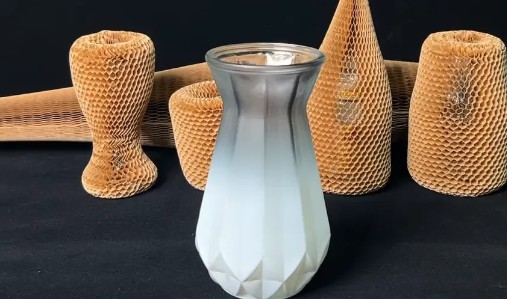
Compared with a simple flat wrap, it can cover more of the product's surface while using its three-dimensional structure to provide more complete surrounding protection.
This makes it particularly relevant for products that need additional protection during packing, handling, and transit.
So, Which One Should You Choose?
The choice starts with the actual protection requirement rather than simply the material itself.
Choose Paper-Bubble when:
The product is relatively lightweight.
The main requirements are flexible wrapping and surface protection.
Fast and simple packing is important.
You need a cushioning material that can adapt to different product shapes.
Consider Honeycomb Paper Sleeve when:
The product requires a higher level of protection.
The product is fragile or sensitive to impact.
More surrounding cushioning is needed.
A structured protective layer between the product and outer box is beneficial.
And it does not always have to be an either-or decision.
For some products, Paper-Bubble can handle flexible wrapping and separation, while Honeycomb Paper Sleeve provides structured coverage and cushioning. Combining the two based on the product's shape and protection requirements can create a more flexible packaging system.
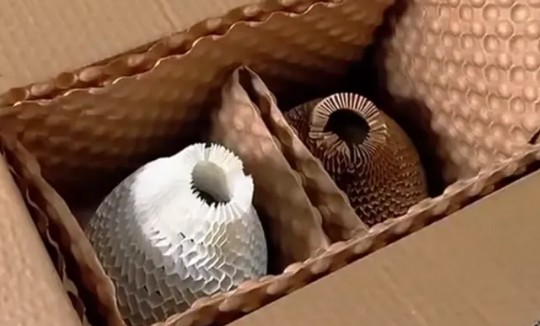
The goal is not to use more packaging material. It is to put the right material in the right place and make sure it performs the function the product actually needs.
The Value of Paper Packaging Goes Beyond Replacing Plastic
The shift from plastic to paper-based packaging is not simply about replacing one material with another.
Paper-Bubble provides flexible wrapping and cushioning for lightweight products, while Honeycomb Paper Sleeve creates structured, 360-degree protection for more fragile products.
So the key question is not simply, “Is it paper?” but “Does the structure provide the protection the product needs?”
The real value of paper-based protective packaging lies in using the right structure and the right amount of material to protect products efficiently.


Popular Products
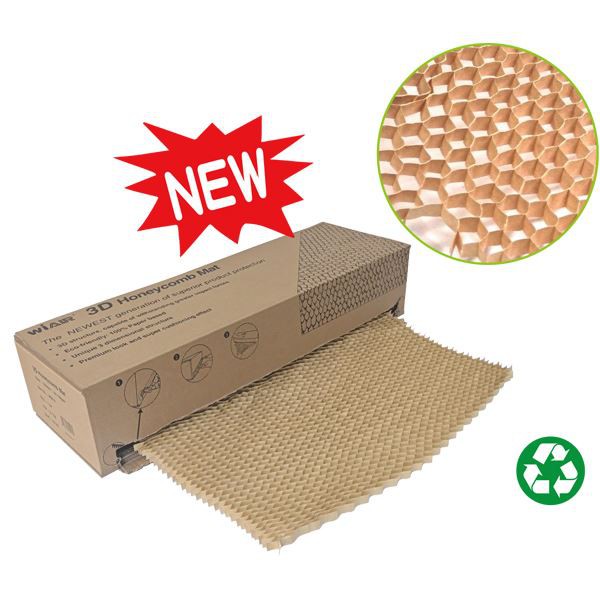
 3D Honeycomb Paper Mat Box Dispenser3D Honeycomb Paper Mat Box DispenserThe perfect fragile wrap material! This dispenser Box is so easy to operate! Just pull the Honeycomb Material from the Box and tear it off manually. Every box contains up to 30 meters stretched 3D Honeycomb Paper Mat Material....READ MORE
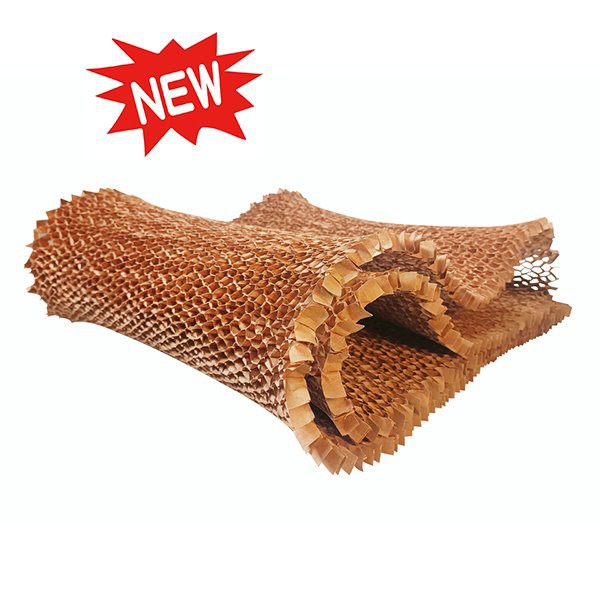
 3D Honeycomb Paper Mat3D Honeycomb Paper MatThe 3D Honeycomb Paper Mat Systems are converting the Honeycomb Paper Core Material into the 3 dimensional structured 3D Honeycomb Paper Mat packaging material which offers both, superior cushioning effect and highest flexibility...READ MORE
 Honeycomb Paper SleeveHoneycomb Paper Sleeve3D Honeycomb Paper Sleeve-The Plastic-Killing Revolution! 100% biodegradable, hexagonal structure replaces bubble wrap & foam! Unmatched shockproof protection for electronics, fragile goods and industrial parts...READ MORE
 Triple Fold Kraft PaperTriple Fold Kraft PaperWhy choose paper cushion packaging? At present, the buffer packaging on the market basically uses plastic consumables, a large part of which are non-degradable and non-recyclable, causing great pollution to the environment. Countries around the world have successively introduced policies to...READ MORE
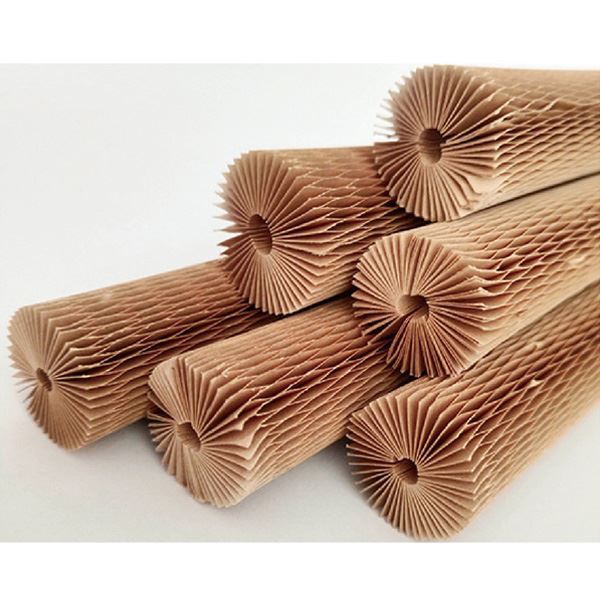
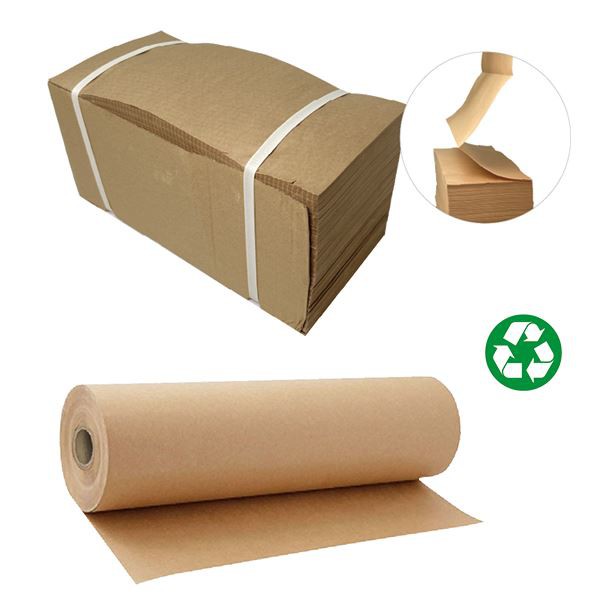
 Roll Cushion PaperRoll Cushion PaperKraft paper rolls are made of natural coniferous resin fibers, which can be degraded and decomposed, so they will not harm the environment. The kraft paper roll is extruded by the paper pad machine to become a kind of cushion paper cushion, which can be used to wrap items or fill space with good cushioning effect..READ MORE
 Z-Fold Cushion PaperZ-Fold Cushion PaperRip & Go - Eco Protection Revolution! Tear free no tools required! Special pre-cut tear lines let you snap perfect lengths - zero waste! Made from reinforced paper pulp, protects up to 10kg items (100% recyclable!)...READ MORE
Send Inquiry