



News
For many companies, packaging compliance has traditionally meant material testing, environmental labeling, EPR registration, and waste management.
But as the EU Packaging and Packaging Waste Regulation (PPWR) comes into full application, the focus is moving further upstream—from how packaging is handled after use to how packaging is designed in the first place.
How much material does the package use? Is there too much empty space inside the box? Are unnecessary composite materials being used? Can the packaging be effectively recycled?
These questions are becoming increasingly important when companies evaluate their packaging strategies.
A practical place to start is by looking at the problems within the existing package:
Is the current packaging over-engineered or over-packaged?
Is there a large amount of unused space inside the box?
Does the cushioning system rely on excessive amounts of plastic?
Do combinations of different materials make recycling more difficult?
Could structural optimization reduce material use without compromising product protection?
These questions may sound simple, but they directly affect material efficiency, packaging performance, transportation costs, and end-of-life considerations. If there is room to improve any of these areas, the packaging design is worth revisiting.
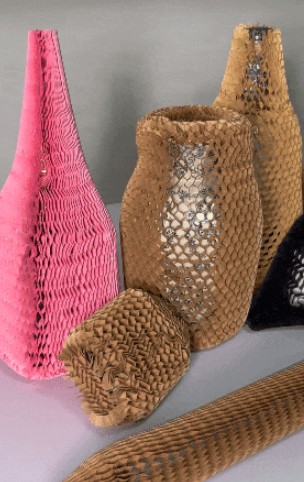
50% Maximum Void Ratio: Empty Space Can No Longer Be Ignored
Material selection is only part of the packaging equation. The space inside the package matters, too.
In conventional packaging, there is often a significant gap between the product and the carton. That space is then filled with bubble wrap, EPE foam, air-column bags, or other void-fill materials.
The result can be more material, a larger package, and potentially higher transportation costs.
As companies take a more holistic approach to packaging optimization, reducing unnecessary internal space becomes an important design consideration.
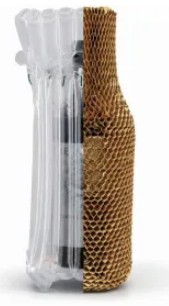
Honeycomb Paper Sleeve can wrap around the product according to its dimensions while its three-dimensional structure creates a cushioning layer around the product.
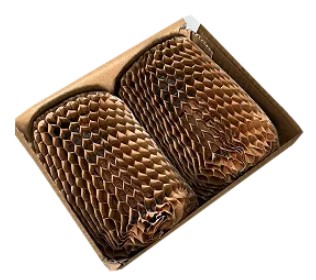
Why Can Paper Provide More Cushioning When Structure Does the Work?
The answer is not simply the material. It is the way the material is structured.
The core of a Honeycomb Paper Sleeve is its three-dimensional honeycomb structure. A flat sheet of paper is transformed into a structure with spatial thickness, creating multiple honeycomb cells that wrap, separate, and support the product while helping distribute external forces during transportation.
Traditional bubble wrap, EPE, and air-column bags primarily rely on bubbles, foam layers, or trapped air to provide cushioning. A Honeycomb Paper Sleeve takes a different approach: the paper material and three-dimensional structure work together to create the protective layer.
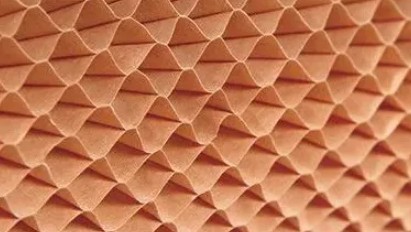
From a packaging design perspective, paper does not have to remain just a flat wrapping material. With the right structural design, it can take on additional cushioning and protective functions.
This is an important shift in how paper-based protective packaging can be designed.
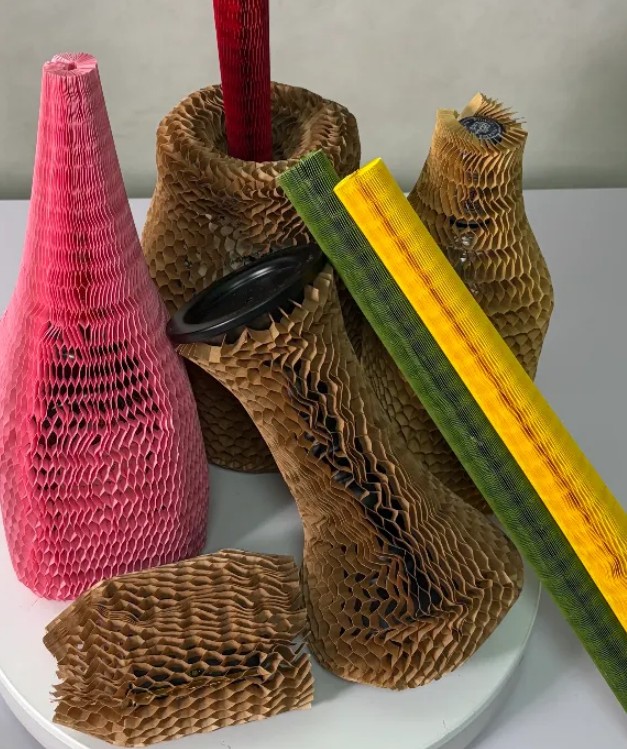
After PPWR, What Will Packaging Really Compete On?
Packaging optimization is no longer about simply adding more material for more protection. It is about finding the right balance between product protection, material efficiency, structural performance, internal space, and recyclability.
A Honeycomb Paper Sleeve goes beyond replacing an air-column bag. Its three-dimensional honeycomb structure allows paper to provide cushioning and protection while making better use of the material.
Rather than waiting for compliance requirements to drive change, companies can start with better materials, smarter structures, and more efficient packaging design.


Popular Products
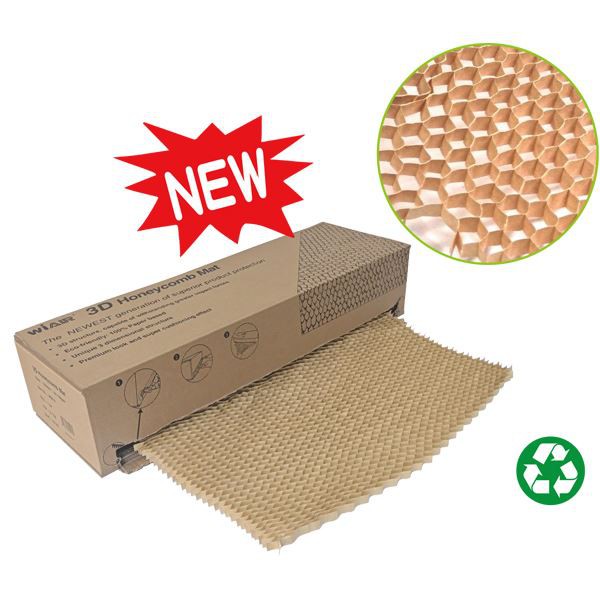
 3D Honeycomb Paper Mat Box Dispenser3D Honeycomb Paper Mat Box DispenserThe perfect fragile wrap material! This dispenser Box is so easy to operate! Just pull the Honeycomb Material from the Box and tear it off manually. Every box contains up to 30 meters stretched 3D Honeycomb Paper Mat Material....READ MORE
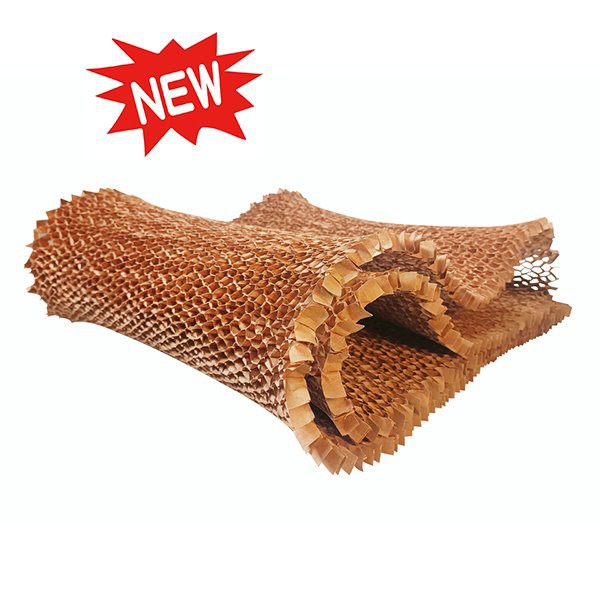
 3D Honeycomb Paper Mat3D Honeycomb Paper MatThe 3D Honeycomb Paper Mat Systems are converting the Honeycomb Paper Core Material into the 3 dimensional structured 3D Honeycomb Paper Mat packaging material which offers both, superior cushioning effect and highest flexibility...READ MORE
 Honeycomb Paper SleeveHoneycomb Paper Sleeve3D Honeycomb Paper Sleeve-The Plastic-Killing Revolution! 100% biodegradable, hexagonal structure replaces bubble wrap & foam! Unmatched shockproof protection for electronics, fragile goods and industrial parts...READ MORE
 Triple Fold Kraft PaperTriple Fold Kraft PaperWhy choose paper cushion packaging? At present, the buffer packaging on the market basically uses plastic consumables, a large part of which are non-degradable and non-recyclable, causing great pollution to the environment. Countries around the world have successively introduced policies to...READ MORE
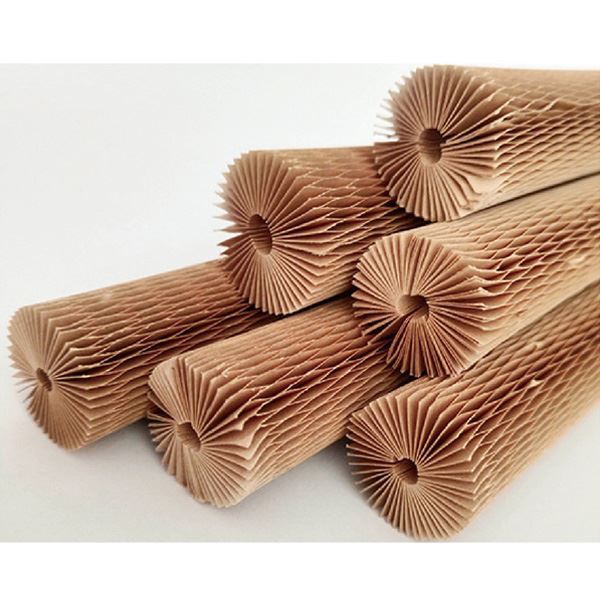
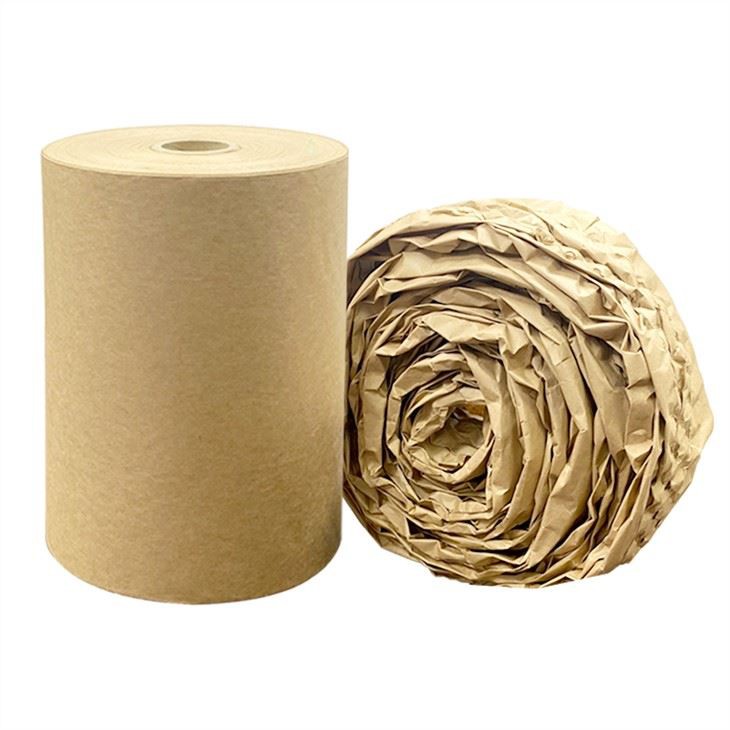
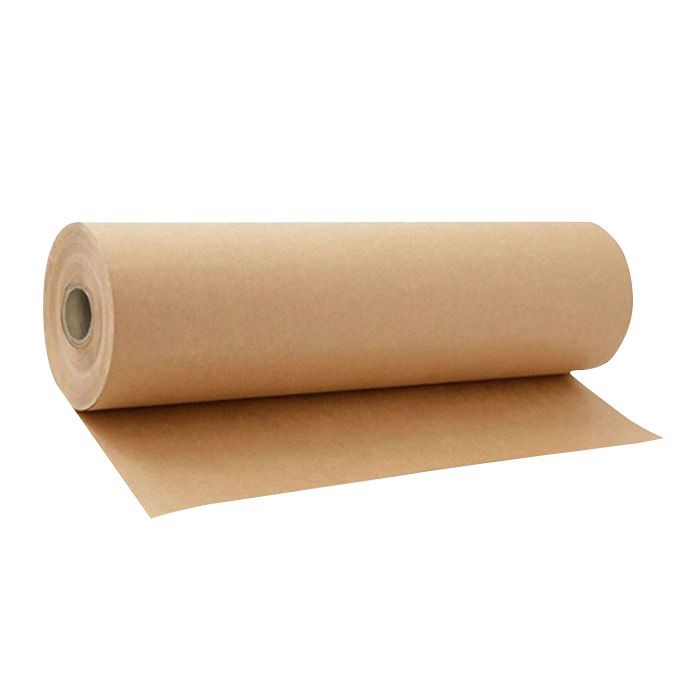
 Roll Cushion PaperRoll Cushion PaperKraft paper rolls are made of natural coniferous resin fibers, which can be degraded and decomposed, so they will not harm the environment. The kraft paper roll is extruded by the paper pad machine to become a kind of cushion paper cushion, which can be used to wrap items or fill space with good cushioning effect..READ MORE
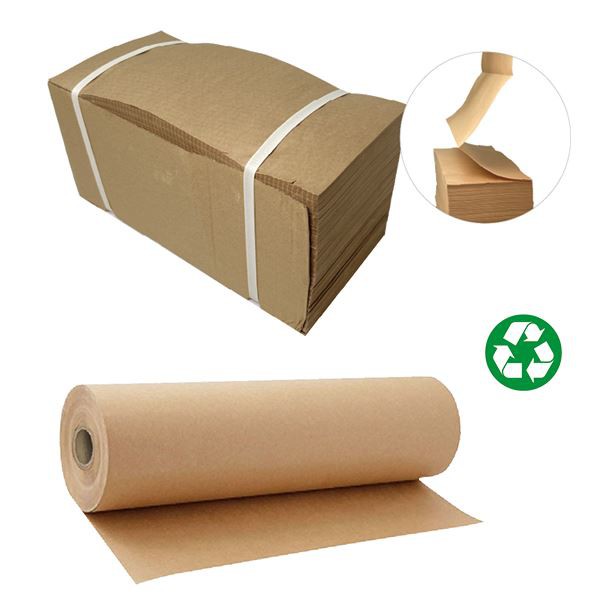
 Z-Fold Cushion PaperZ-Fold Cushion PaperRip & Go - Eco Protection Revolution! Tear free no tools required! Special pre-cut tear lines let you snap perfect lengths - zero waste! Made from reinforced paper pulp, protects up to 10kg items (100% recyclable!)...READ MORE
Send Inquiry