


News
As sustainability goals and the EU’s Packaging and Packaging Waste Regulation (PPWR) reshape packaging decisions, the 3R principles—Reduce, Reuse, and Recycle—are becoming increasingly important to businesses.
For manufacturers, e-commerce brands, and supply chain teams, upgrading protective packaging means more than replacing plastic with paper. The real challenge is to balance product protection, material consumption, packing efficiency, and brand presentation.
So, how can businesses reduce plastic use without compromising cushioning performance or driving up packaging costs? Paper-Bubble offers a practical paper-based alternative, but choosing the right material makes all the difference.
Evaluate the Cushioning Structure, Not Just the Appearance
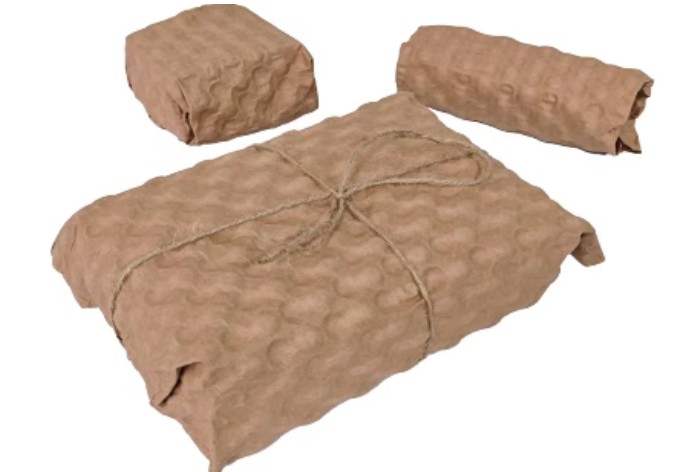
Paper-Bubble is more than paper embossed into a three-dimensional pattern. Its formed structure creates a cushioning layer that wraps around products and helps protect them during handling and transit.
Bubble consistency, forming quality, and tear resistance all affect performance. For products vulnerable to impact or surface scratches, quality Paper-Bubble should offer a balance of flexibility and cushioning, allowing it to conform to different shapes and suit a range of packaging applications.

Start with the Paper Quality
Reliable cushioning starts with the right paper. Fiber structure, basis weight, toughness, and uniformity all influence forming quality, tear resistance, and consistency in use.
WiAIR Paper-Bubble uses long-fiber kraft paper as its material choice. Selecting suitable base paper is not just about the finished product's appearance or feel. It also affects material utilization, handling performance, and the overall cost of protective packaging.
Look Beyond Plastic Replacement
Sustainable packaging is not simply a matter of switching materials. Businesses also need to consider how much material they use, how packaging is designed, and whether the materials can be recovered through appropriate recycling systems.
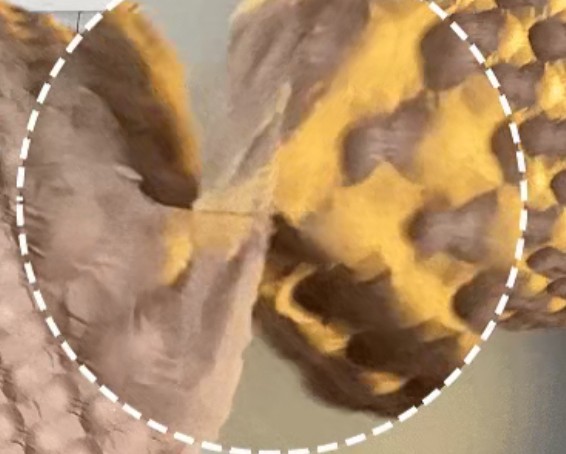
WiAIR® Paper-Bubble features an all-paper structure and can help businesses reduce their reliance on plastic cushioning materials. Combined with thoughtful material selection, optimized packaging methods, and controlled material usage, it provides another option for reducing plastic in everyday packing operations.
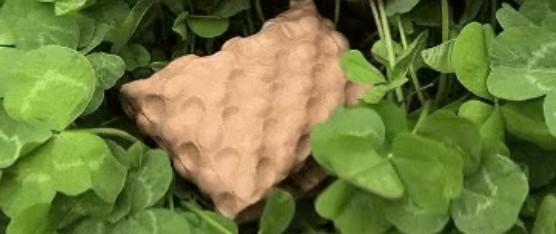
Under the PPWR framework, packaging design and material efficiency deserve closer attention. The right solution should address the specific requirements of the application rather than rely on material substitution alone.
Consider Material Composition and Safety
Protective packaging should safeguard products while meeting the material requirements of the intended application. Businesses should review material composition and relevant safety documentation when evaluating packaging options, particularly when products have specific handling or compliance requirements.
WiAIR Paper-Bubble is paper-based, with a focus on material selection and product safety. Its material specifications can help buyers assess whether it is suitable for their packaging needs.
Turn Protective Packaging into a Branding Opportunity
Packaging is often one of the first physical touchpoints between a business and its customer. Custom-printed Paper-Bubble can make that interaction more distinctive.
WiAIR Paper-Bubble supports custom logo printing, allowing businesses to incorporate their brand identity into paper-based cushioning materials. Instead of serving only as a protective layer, the packaging can also reinforce brand recognition throughout the delivery experience.
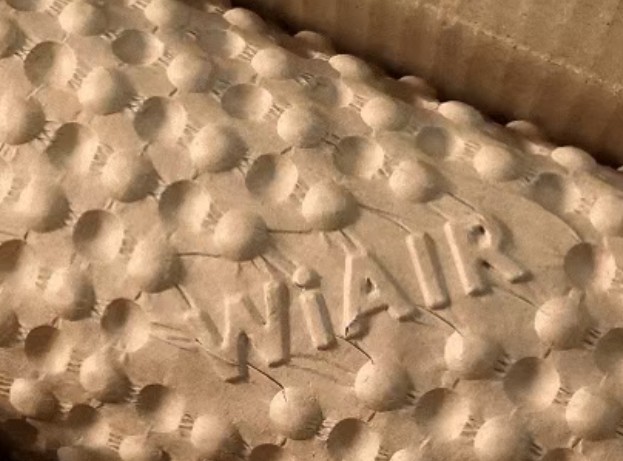
For e-commerce orders, product shipments, and corporate gifts, customized printing can help create a more consistent presentation without requiring a separate branded protective layer.
Better Packaging Starts with the Right Balance
Choosing protective packaging involves more than comparing material prices or checking whether a product is paper-based. The most suitable option should provide appropriate protection, use materials efficiently, fit the packing process, and meet the business's sustainability objectives.
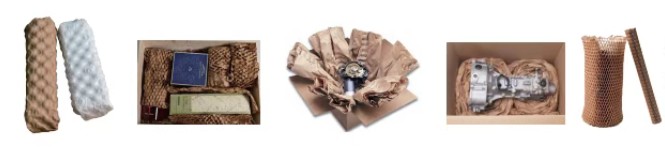
Alongside Paper-Bubble, WiAIR offers a range of paper-based cushioning materials and compatible equipment to help businesses explore solutions for different products and shipping requirements.
When evaluating protective packaging, which factor matters most to your business: cushioning performance, material cost, packing efficiency, or sustainability? Share your perspective in the comments.


Popular Products
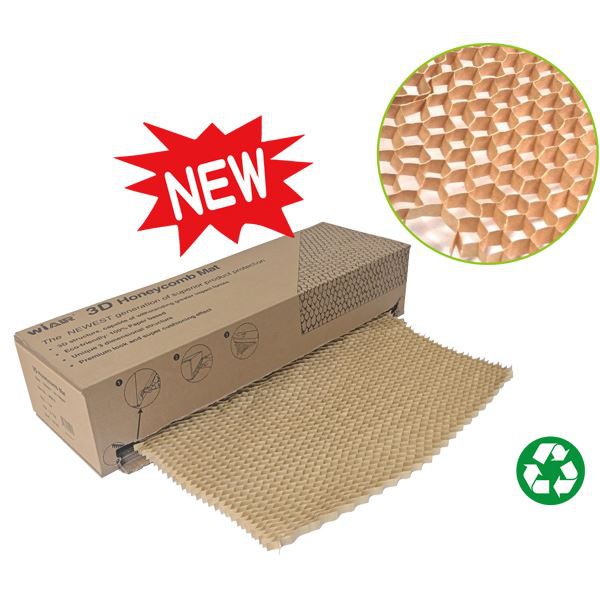
 3D Honeycomb Paper Mat Box Dispenser3D Honeycomb Paper Mat Box DispenserThe perfect fragile wrap material! This dispenser Box is so easy to operate! Just pull the Honeycomb Material from the Box and tear it off manually. Every box contains up to 30 meters stretched 3D Honeycomb Paper Mat Material....READ MORE
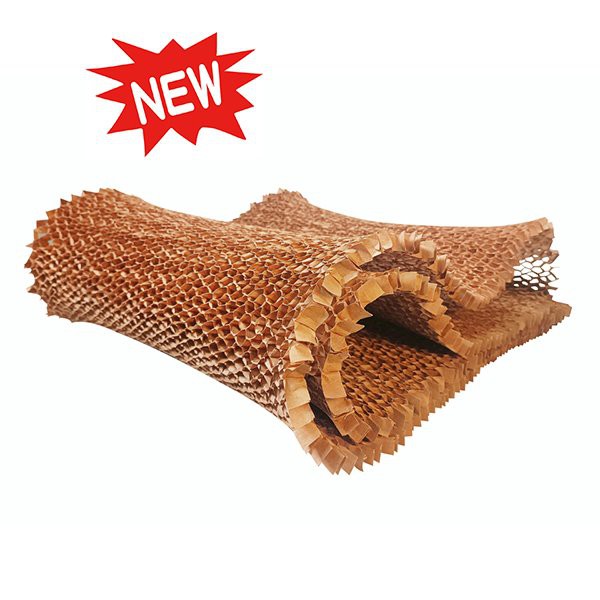
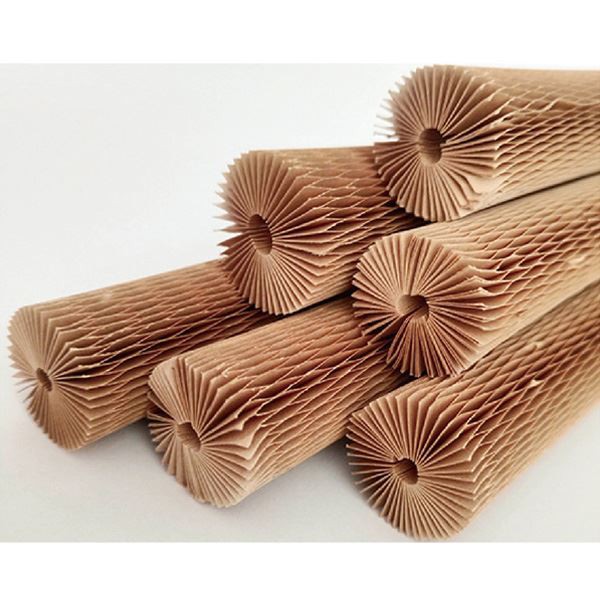
 3D Honeycomb Paper Mat3D Honeycomb Paper MatThe 3D Honeycomb Paper Mat Systems are converting the Honeycomb Paper Core Material into the 3 dimensional structured 3D Honeycomb Paper Mat packaging material which offers both, superior cushioning effect and highest flexibility...READ MORE
 Honeycomb Paper SleeveHoneycomb Paper Sleeve3D Honeycomb Paper Sleeve-The Plastic-Killing Revolution! 100% biodegradable, hexagonal structure replaces bubble wrap & foam! Unmatched shockproof protection for electronics, fragile goods and industrial parts...READ MORE
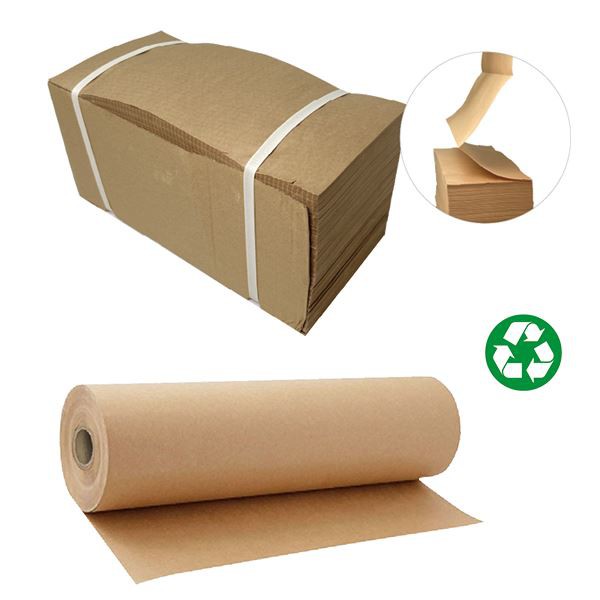
 Triple Fold Kraft PaperTriple Fold Kraft PaperWhy choose paper cushion packaging? At present, the buffer packaging on the market basically uses plastic consumables, a large part of which are non-degradable and non-recyclable, causing great pollution to the environment. Countries around the world have successively introduced policies to...READ MORE
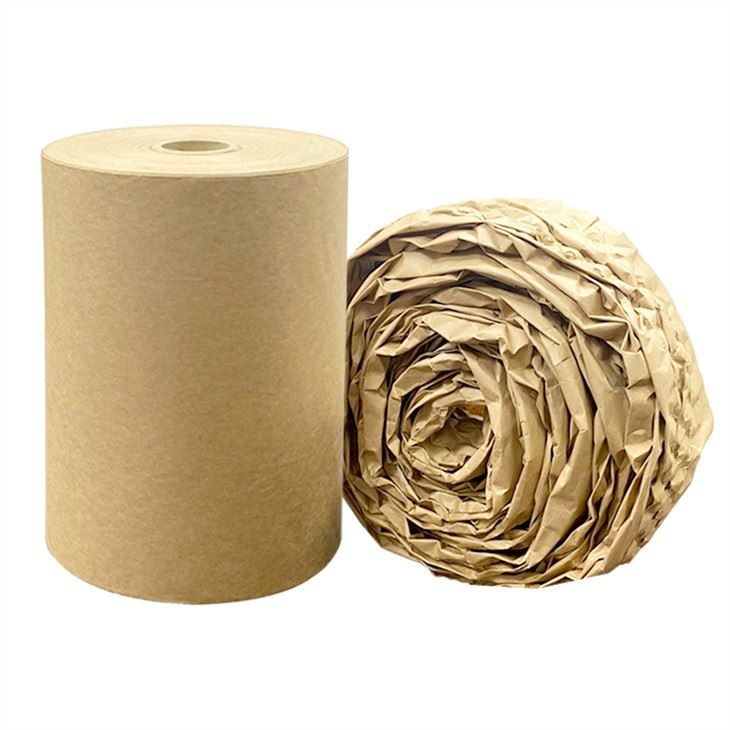
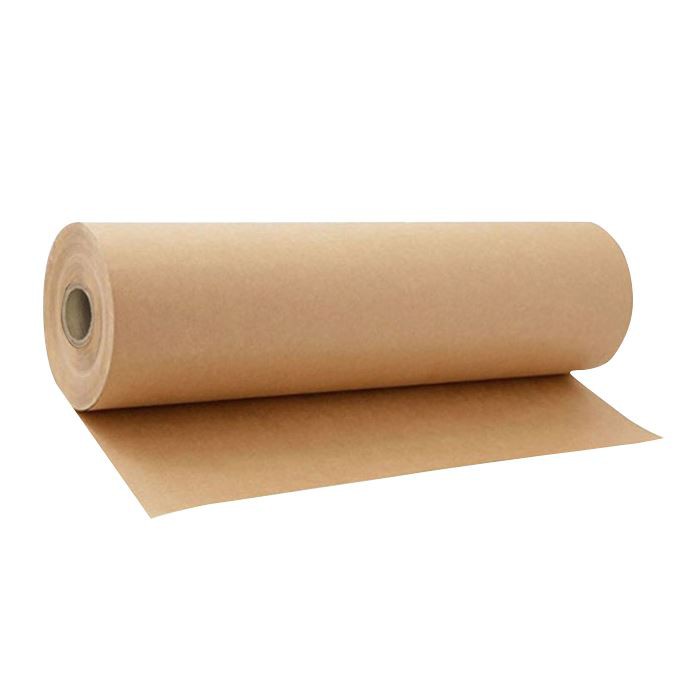
 Roll Cushion PaperRoll Cushion PaperKraft paper rolls are made of natural coniferous resin fibers, which can be degraded and decomposed, so they will not harm the environment. The kraft paper roll is extruded by the paper pad machine to become a kind of cushion paper cushion, which can be used to wrap items or fill space with good cushioning effect..READ MORE
 Z-Fold Cushion PaperZ-Fold Cushion PaperRip & Go - Eco Protection Revolution! Tear free no tools required! Special pre-cut tear lines let you snap perfect lengths - zero waste! Made from reinforced paper pulp, protects up to 10kg items (100% recyclable!)...READ MORE
Send Inquiry