


During PACK EXPO International 2026 in Chicago, WiAIR had the opportunity to showcase its paper-based cushioning solutions and exchange ideas with industry professionals. One clear theme stood out: PPWR and the 3R principles are encouraging businesses to take a closer look at how their packaging is designed.
For companies serving European and North American markets, packaging needs to do more than protect products. It must also help manage material consumption, control costs, improve packing efficiency, and support end-of-life recovery.
The challenge is not simply replacing plastic with paper. It is about rethinking packaging design so that every material serves a purpose—without compromising product protection or operational performance.
PPWR: Why Packaging Design Matters More Than Ever
The EU Packaging and Packaging Waste Regulation (PPWR) began applying generally on August 12, 2026. For applicable transport packaging, grouped packaging, and e-commerce packaging, the regulation sets a maximum packaging void ratio of 50%, subject to the specific scope and exceptions set out in the legislation.
This puts greater emphasis on packaging dimensions, internal cushioning, and void fill. Oversized boxes and excessive filler can waste materials, take up additional warehouse and transport space, and allow products to move unnecessarily during transit.
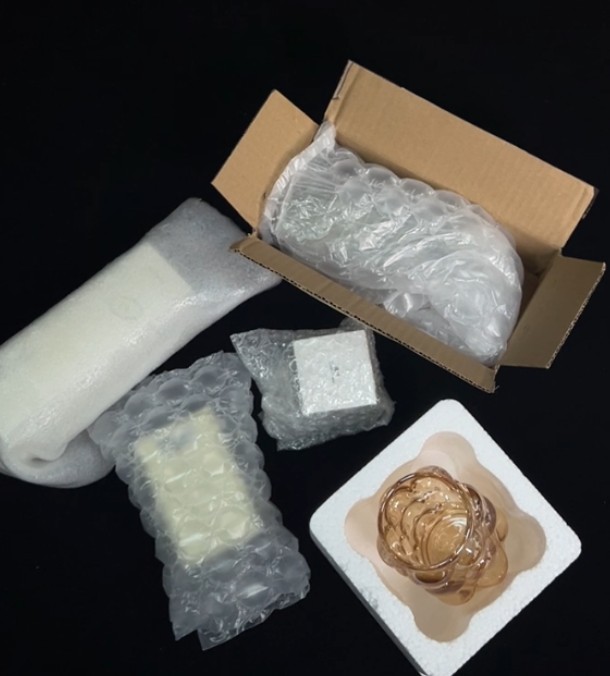
WiAIR offers a range of paper-based cushioning solutions that can be selected according to product weight, shape, and packaging requirements. Options include Honeycomb Paper, Paper-Bubble, Honeycomb Paper Sleeve, 3D Honeycomb Paper Mat, and paper cushioning pads.
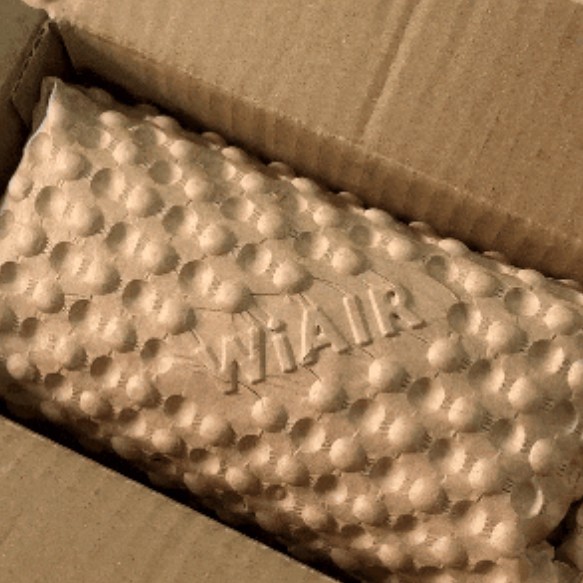
Rather than relying on one material for every application, businesses can evaluate different combinations to improve space utilization, reduce unnecessary filler, and maintain the protection their products require.
1. Reduce: Use Less Material Without Sacrificing Protection
Reducing packaging does not mean simply using less paper. It means designing the package more effectively—eliminating unnecessary filler, optimizing box dimensions, and providing the right level of protection for the product.
For packaging covered by the PPWR void-ratio requirement, the 50% limit makes the relationship between the product, the box, and the internal packaging particularly important. However, a smaller package is not automatically a better one. Cushioning must still absorb impacts, prevent excessive movement, and protect the product throughout transit.
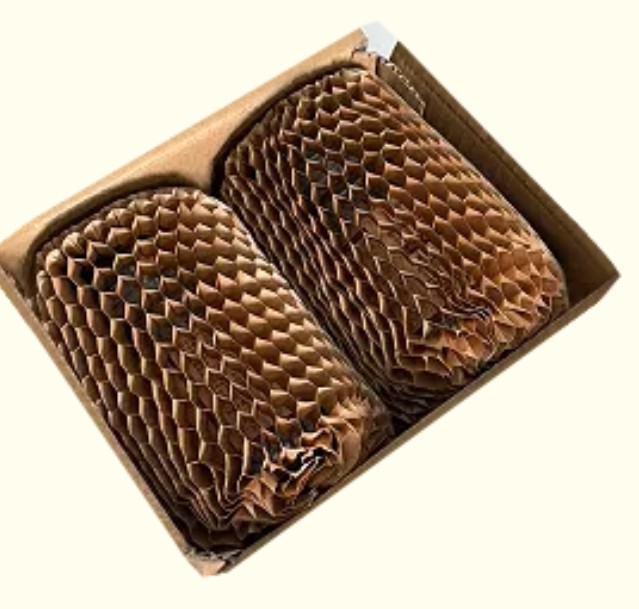
A practical starting point: Review your most frequently shipped products. Compare product dimensions with box dimensions, identify areas of unnecessary void fill, and assess whether a different cushioning structure or box size could reduce material use without increasing transport damage.
2. Reuse: Design Around Real Logistics Requirements
Reuse can help reduce demand for new packaging materials, but its feasibility depends on how products move through the supply chain. Product value, return logistics, material durability, handling requirements, and cleaning or inspection costs all influence whether a reusable solution makes sense.
Not every paper-based cushioning material is designed for repeated use. Businesses should assess how packaging performs under actual operating conditions rather than assuming that every material can be reused.
3. Recycle: Consider End-of-Life Recovery From the Start
Using paper as the primary material does not automatically guarantee that packaging can be recycled everywhere. Recyclability depends on the full material composition, coatings, laminations, adhesives, and the collection and recycling infrastructure available in the destination market.
Packaging designers should therefore consider end-of-life recovery early in the design process, rather than treating it as a final checklist item. Simpler material structures and compatibility with local recycling systems can make packaging easier to evaluate and manage.
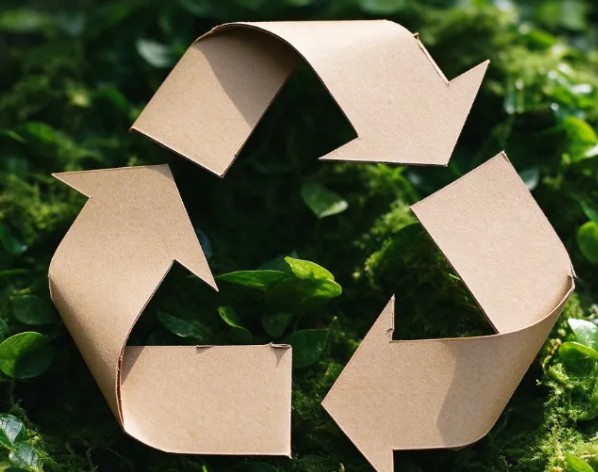
WiAIR focuses on paper-based cushioning solutions designed to help businesses explore alternatives to conventional plastic cushioning. For individual applications, material composition and recycling claims should be assessed against the relevant product specifications and local requirements.
A practical starting point: Check the complete packaging structure—not just the cushioning material. Review adhesives, coatings, labels, and any mixed-material components, then confirm whether the resulting package is compatible with the intended recycling stream.

Beyond the 3Rs: Find the Right Packaging Solution for Your Operation
The 3R principles are a useful starting point, but effective packaging must also balance product protection, material costs, packing efficiency, and shipping requirements.
At PACK EXPO International 2026, one thing was clear: businesses need more than alternative materials—they need practical packaging solutions that work.
WiAIR offers a complete range of paper-based cushioning solutions, including Paper-Bubble, Honeycomb Paper, Honeycomb Paper Sleeve, 3D Honeycomb Paper Mat, and paper cushioning pads, supported by compatible equipment for applications from lightweight goods to heavy products.
Sustainable packaging is about more than replacing plastic. It’s about protecting products, reducing waste, and improving efficiency.
Looking for alternatives to plastic cushioning? Let’s explore the right solution for your packaging needs.


Popular Products
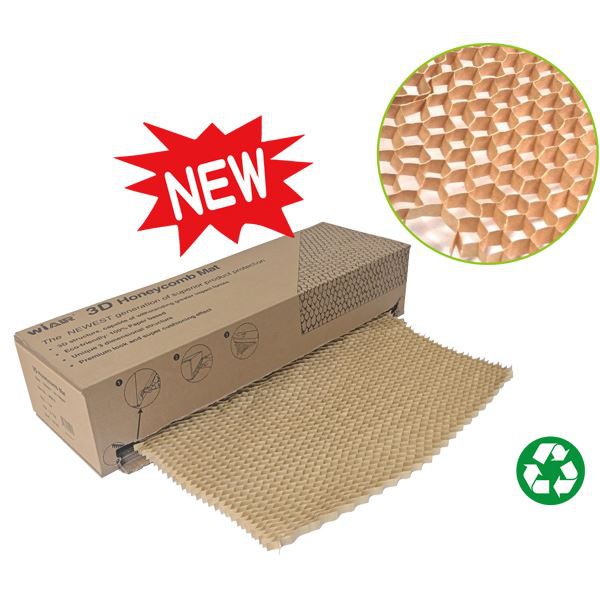
 3D Honeycomb Paper Mat Box Dispenser3D Honeycomb Paper Mat Box DispenserThe perfect fragile wrap material! This dispenser Box is so easy to operate! Just pull the Honeycomb Material from the Box and tear it off manually. Every box contains up to 30 meters stretched 3D Honeycomb Paper Mat Material....READ MORE
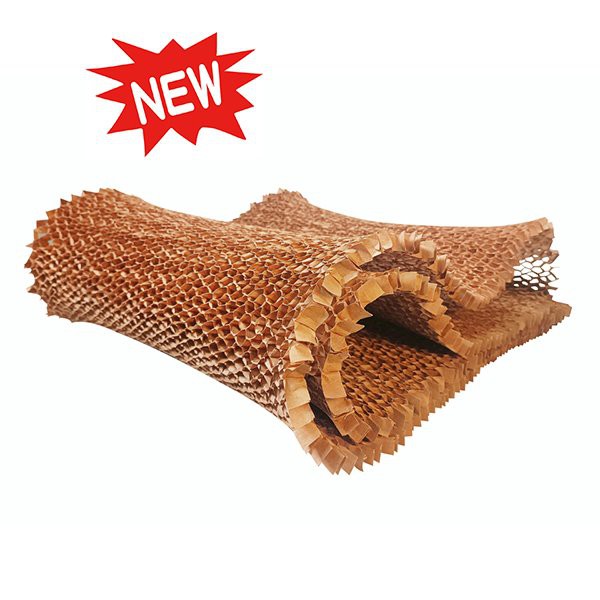
 3D Honeycomb Paper Mat3D Honeycomb Paper MatThe 3D Honeycomb Paper Mat Systems are converting the Honeycomb Paper Core Material into the 3 dimensional structured 3D Honeycomb Paper Mat packaging material which offers both, superior cushioning effect and highest flexibility...READ MORE
 Honeycomb Paper SleeveHoneycomb Paper Sleeve3D Honeycomb Paper Sleeve-The Plastic-Killing Revolution! 100% biodegradable, hexagonal structure replaces bubble wrap & foam! Unmatched shockproof protection for electronics, fragile goods and industrial parts...READ MORE
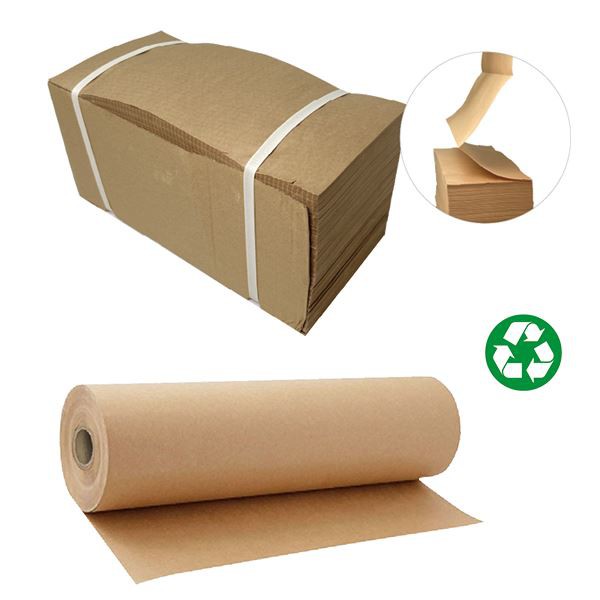
 Triple Fold Kraft PaperTriple Fold Kraft PaperWhy choose paper cushion packaging? At present, the buffer packaging on the market basically uses plastic consumables, a large part of which are non-degradable and non-recyclable, causing great pollution to the environment. Countries around the world have successively introduced policies to...READ MORE
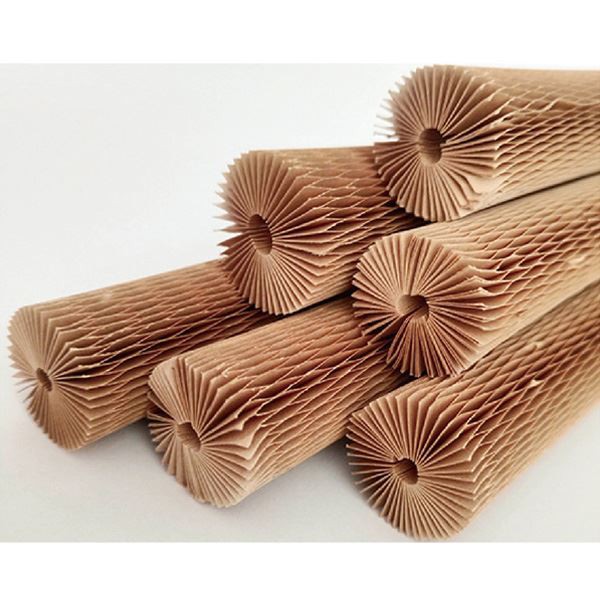
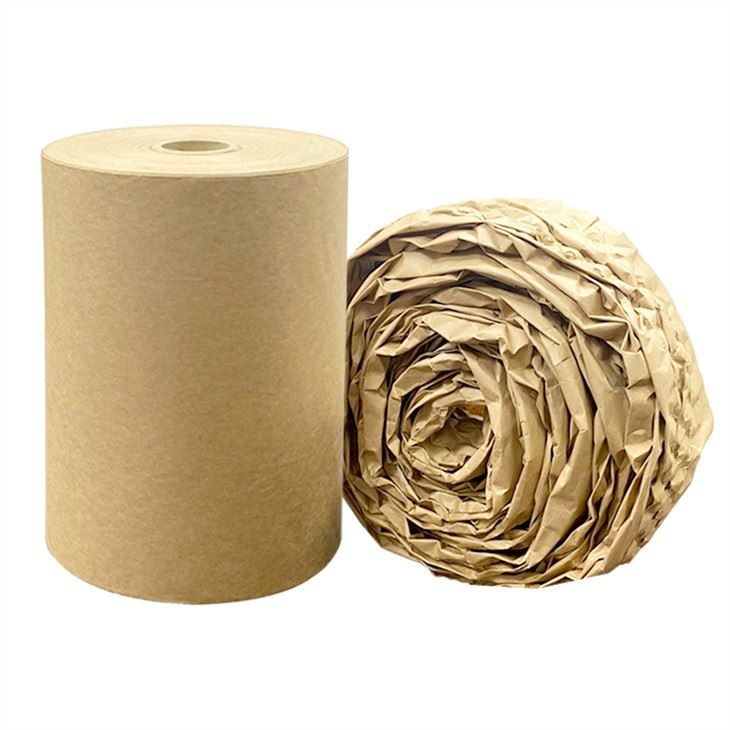
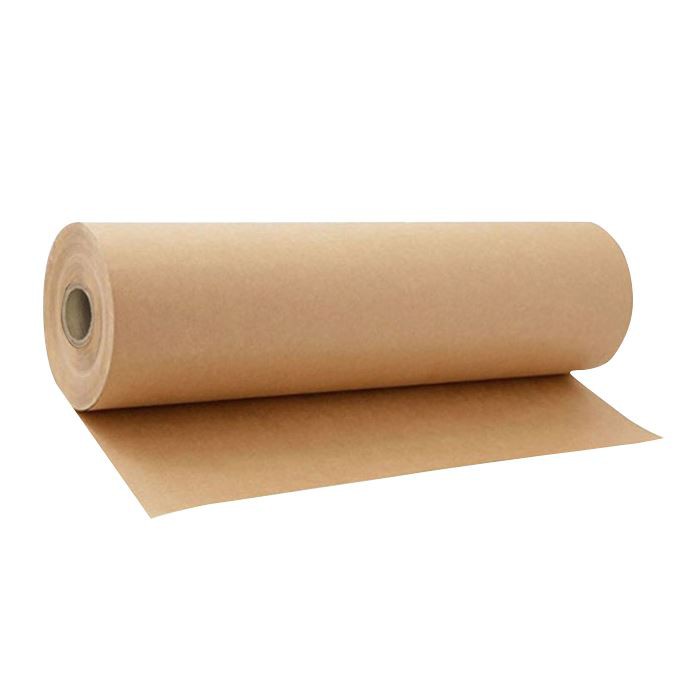
 Roll Cushion PaperRoll Cushion PaperKraft paper rolls are made of natural coniferous resin fibers, which can be degraded and decomposed, so they will not harm the environment. The kraft paper roll is extruded by the paper pad machine to become a kind of cushion paper cushion, which can be used to wrap items or fill space with good cushioning effect..READ MORE
 Z-Fold Cushion PaperZ-Fold Cushion PaperRip & Go - Eco Protection Revolution! Tear free no tools required! Special pre-cut tear lines let you snap perfect lengths - zero waste! Made from reinforced paper pulp, protects up to 10kg items (100% recyclable!)...READ MORE
Send Inquiry