



News
Plastic packaging has long been a common choice for businesses. But as the EU Packaging and Packaging Waste Regulation (PPWR) takes effect, growing attention to packaging reduction, recyclability and plastic use is making it increasingly important for companies to reassess their existing packaging solutions.
Paper-based packaging is no longer simply about “wrapping a product in paper.” Through structures such as embossing, honeycomb and 3D honeycomb designs, paper can also provide wrapping, void fill, separation and cushioning functions.
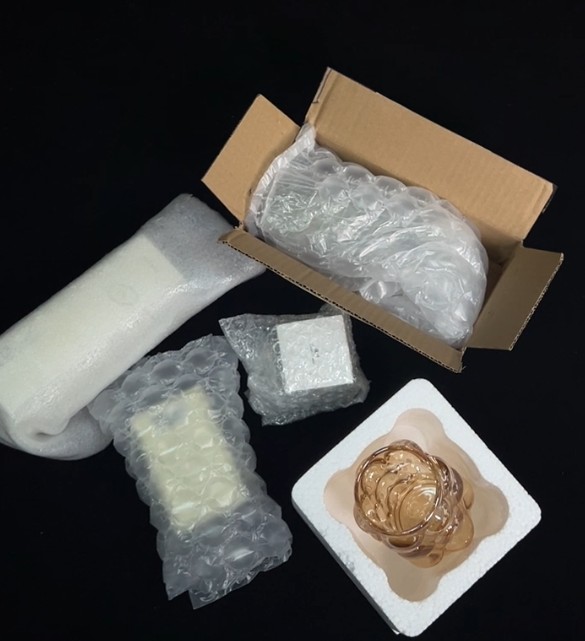
Paper-Bubble: A Paper-Based Alternative to Bubble Wrap
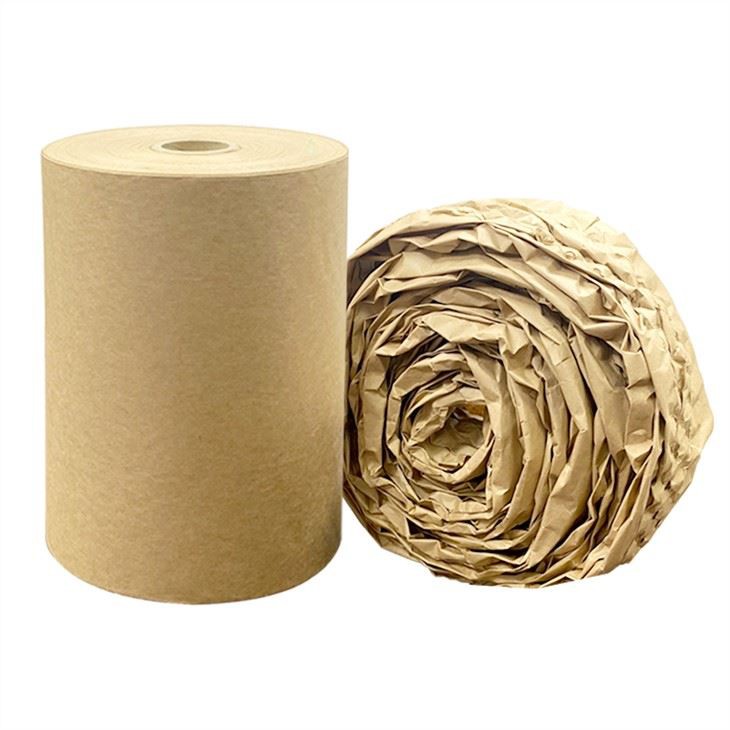
Paper-Bubble uses a specially embossed structure to turn a flat sheet of paper into a three-dimensional layer with cushioning capabilities. It can also be customized and used for wrapping, separation, scratch protection and impact protection. For lightweight products such as e-commerce items, gifts and cosmetics, Paper-Bubble can be used as an alternative to plastic bubble wrap.
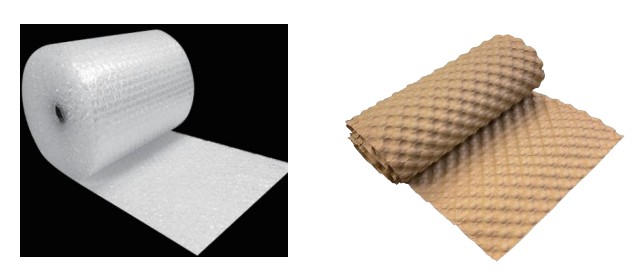
While reducing plastic use, Paper-Bubble also retains the natural fiber texture and feel of paper, giving packaging a cleaner and more natural appearance compared with the cold and uniform look of plastic.
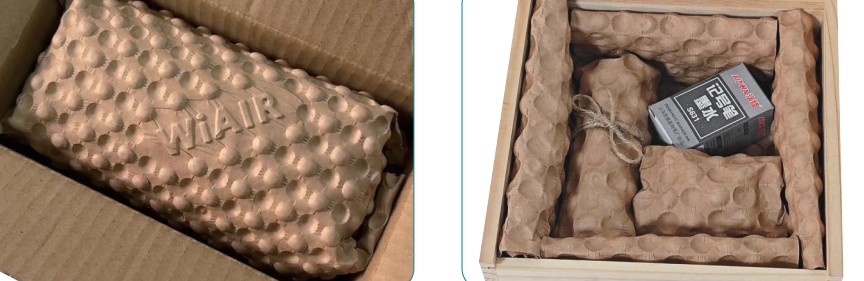
Honeycomb Paper: Creating Cushioning Through Structure
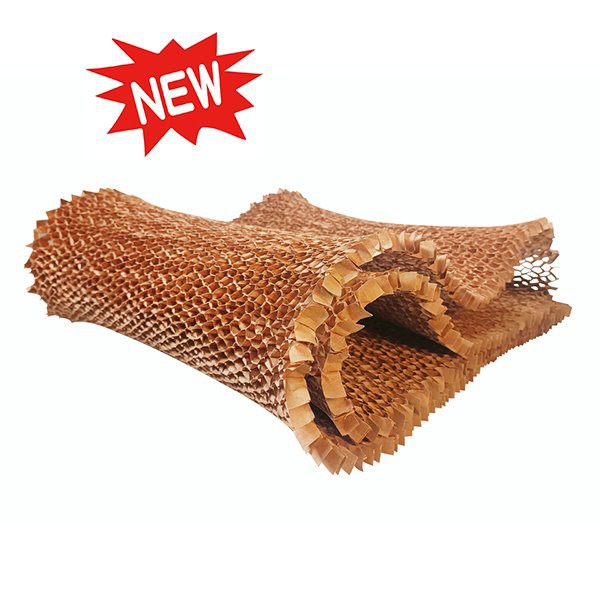
Bubble wrap is soft and lightweight and has long been widely used for void fill, separation and cushioning protection. As companies increasingly look to reduce plastic use and optimize packaging materials, Honeycomb Paper is becoming an alternative worth considering.
With its unique honeycomb structure, Honeycomb Paper can create stable cushioning and support space. It can be flexibly used for product wrapping, void fill, layer separation and impact protection.
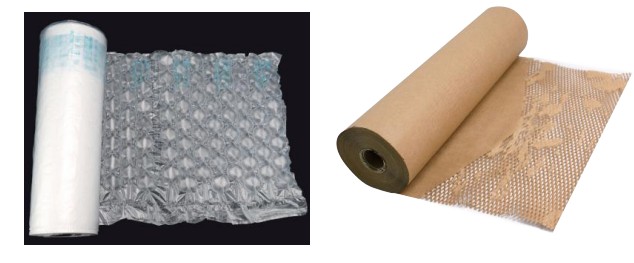
It is suitable for applications such as gift and e-commerce packaging. Compared with simply adding more paper, the honeycomb structure focuses on creating cushioning through structure, turning paper from a simple packaging material into a cushioning material with structural support.
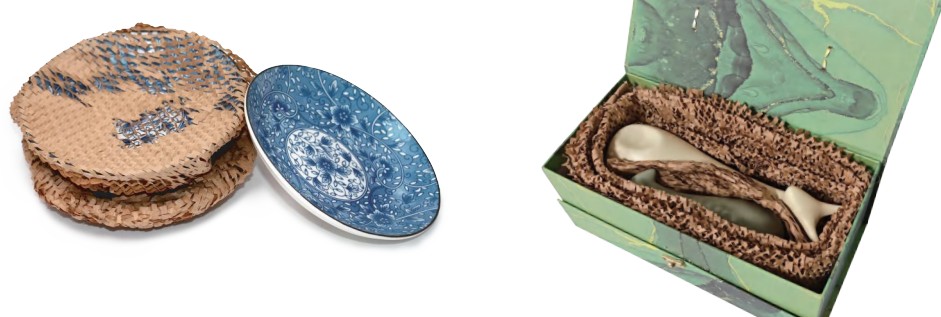
Honeycomb Paper Sleeve as an Alternative to Air Pillows: A 3D Cushioning Structure
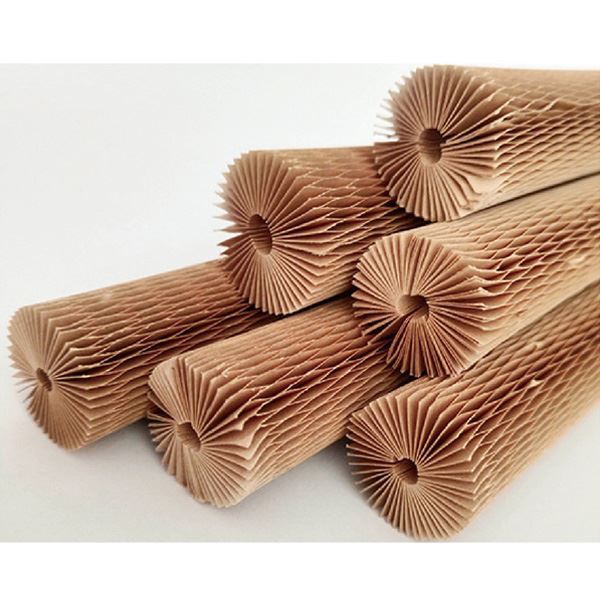
Air pillows rely on air to create cushioning space, while Honeycomb Paper Sleeve uses a completely different approach to product protection. When the paper is expanded, it forms a 3D honeycomb structure that creates a three-dimensional cushioning layer around the product, using multiple contact points and structural deformation to distribute external impact.
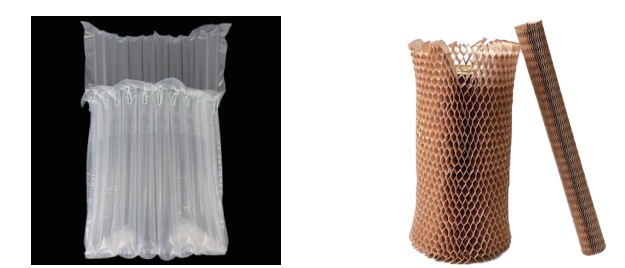
For fragile products such as glassware and ceramics, Honeycomb Paper Sleeve can be matched to the product size to provide wrapping and cushioning protection around the outside of the product. Compared with air pillows that rely on inflated plastic chambers, the key advantage of Honeycomb Paper Sleeve is structural cushioning—creating three-dimensional protective space without relying on plastic air chambers.
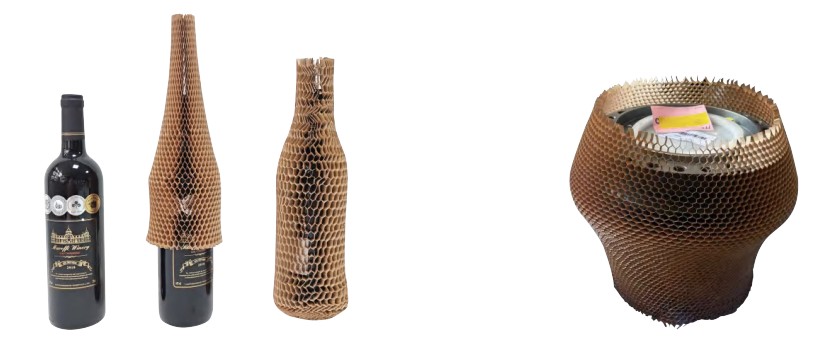
From “Material Replacement” to “Structural Design”: A Different Approach to Packaging
Sustainable packaging is not simply about replacing plastic with paper. What really determines whether a packaging solution can replace traditional plastic cushioning materials is the combination of material properties, structural design and the actual application.
With an embossed structure, ordinary paper can form a cushioning layer with resilience. With a honeycomb structure, paper can provide better filling, support and load distribution. And with a 3D honeycomb structure, paper can be further transformed into a three-dimensional cushioning space, allowing paper-based materials to handle more complex and demanding product protection requirements.
From Materials to Equipment: Building a Complete Paper-Based Cushioning Solution
WiAIR Packaging focuses on the development and manufacturing of paper-based cushioning materials and supporting equipment. From Paper-Bubble and Honeycomb Paper to Honeycomb Paper Sleeve, the solutions cover a range of packaging applications, from lightweight to heavy-duty protection and from individual product protection to cushioning for entire cartons.
At the same time, WiAIR Packaging develops its supporting equipment in-house, creating a complete connection between materials, equipment and packaging applications.
For businesses, choosing paper-based packaging is not simply about “replacing plastic with paper.” More importantly, it means rethinking packaging structure, material usage and production processes.
WiAIR Packaging aims to help businesses start from the actual requirements of their products and find more suitable paper-based cushioning solutions, while maintaining transit protection and packaging efficiency and gradually reducing their dependence on conventional plastic cushioning materials.


Popular Products
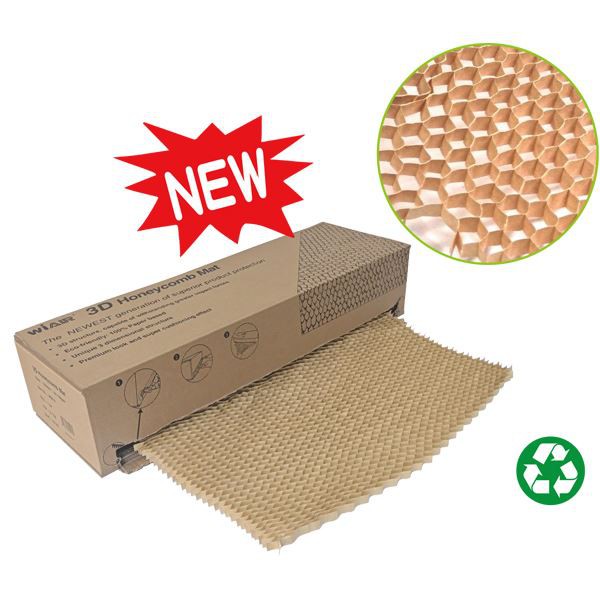
 3D Honeycomb Paper Mat Box Dispenser3D Honeycomb Paper Mat Box DispenserThe perfect fragile wrap material! This dispenser Box is so easy to operate! Just pull the Honeycomb Material from the Box and tear it off manually. Every box contains up to 30 meters stretched 3D Honeycomb Paper Mat Material....READ MORE
 3D Honeycomb Paper Mat3D Honeycomb Paper MatThe 3D Honeycomb Paper Mat Systems are converting the Honeycomb Paper Core Material into the 3 dimensional structured 3D Honeycomb Paper Mat packaging material which offers both, superior cushioning effect and highest flexibility...READ MORE
 Honeycomb Paper SleeveHoneycomb Paper Sleeve3D Honeycomb Paper Sleeve-The Plastic-Killing Revolution! 100% biodegradable, hexagonal structure replaces bubble wrap & foam! Unmatched shockproof protection for electronics, fragile goods and industrial parts...READ MORE
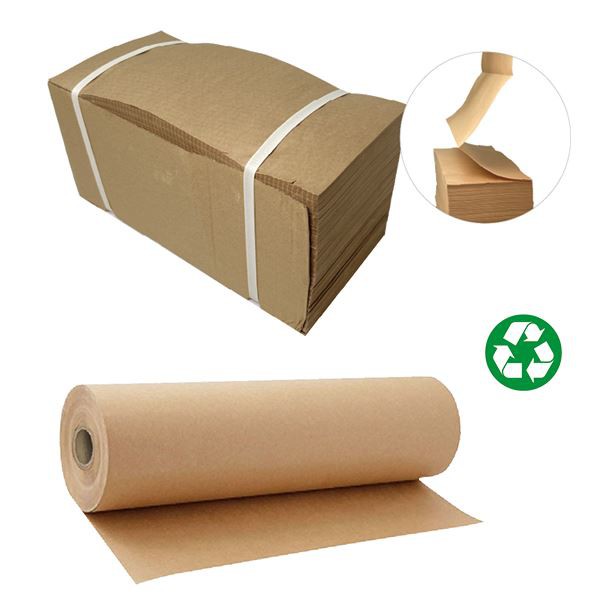
 Triple Fold Kraft PaperTriple Fold Kraft PaperWhy choose paper cushion packaging? At present, the buffer packaging on the market basically uses plastic consumables, a large part of which are non-degradable and non-recyclable, causing great pollution to the environment. Countries around the world have successively introduced policies to...READ MORE
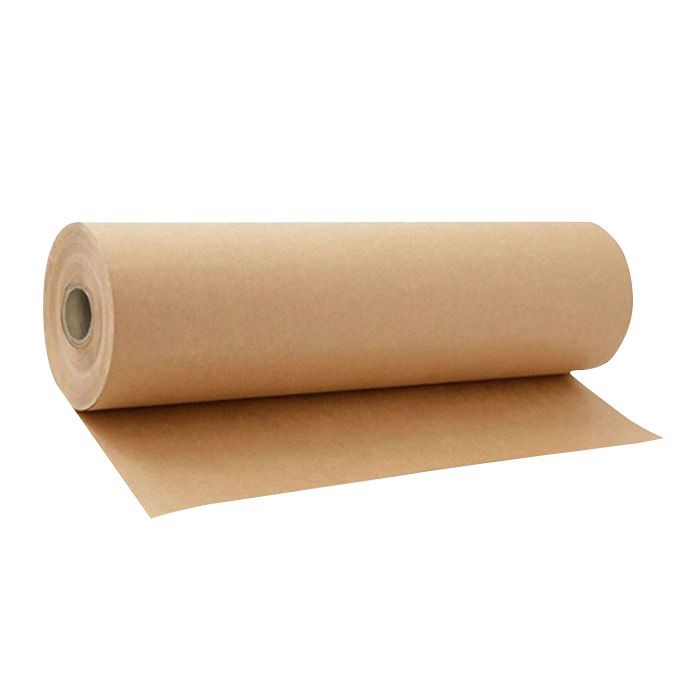
 Roll Cushion PaperRoll Cushion PaperKraft paper rolls are made of natural coniferous resin fibers, which can be degraded and decomposed, so they will not harm the environment. The kraft paper roll is extruded by the paper pad machine to become a kind of cushion paper cushion, which can be used to wrap items or fill space with good cushioning effect..READ MORE
 Z-Fold Cushion PaperZ-Fold Cushion PaperRip & Go - Eco Protection Revolution! Tear free no tools required! Special pre-cut tear lines let you snap perfect lengths - zero waste! Made from reinforced paper pulp, protects up to 10kg items (100% recyclable!)...READ MORE
Send Inquiry