



News
Packaging has traditionally been designed around one primary objective: protecting products during storage, handling and transportation.
That role remains essential, but today’s packaging is expected to do more. As brands place greater emphasis on customer experience and sustainability, protective packaging is increasingly becoming part of the product presentation itself.
Before consumers reach the product, they see the package, handle the protective materials and experience the process of opening it. Each of these touchpoints can shape the customer’s perception of the brand.
Paper-based cushioning offers an opportunity to bring functional protection and packaging design closer together. With its natural paper characteristics and three-dimensional structure, 3D honeycomb paper mat can combine product protection, material efficiency and a distinctive unboxing experience within a single protective packaging solution.
Visual Experience: Making Protective Packaging Part of the Design
First impressions often begin before the product itself is visible.
3D honeycomb paper mat introduces a different visual element.
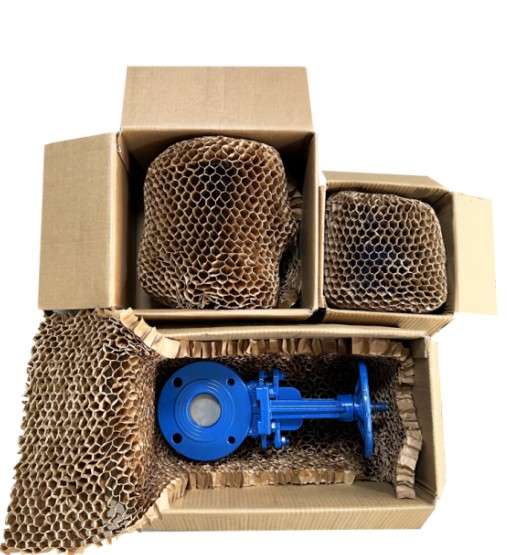
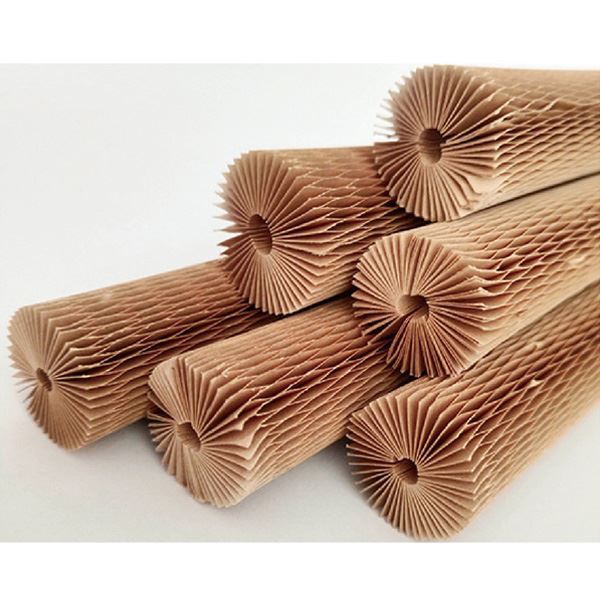
When expanded, the material forms a regular three-dimensional honeycomb structure. The combination of visible paper fibers, natural paper tones and geometric structure gives the cushioning a defined visual character, allowing it to become part of the overall packaging presentation rather than simply remaining hidden around the product.
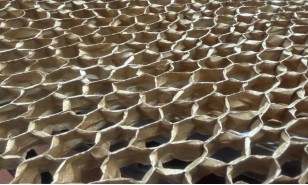
For brands that place greater emphasis on packaging design, this creates another opportunity to integrate protective materials into the overall unboxing experience.
Natural paper tones, visible fibers and a structured surface can complement contemporary packaging designs, particularly where a paper-based presentation is preferred.
Tactile Experience: Adding Texture to the Unboxing Process
Packaging is one of the first physical touchpoints between a customer and a product.
Paper-based materials offer a distinctive tactile character through their visible fiber texture and surface properties. With 3D honeycomb cushioning, the three-dimensional structure adds another layer of physical interaction.
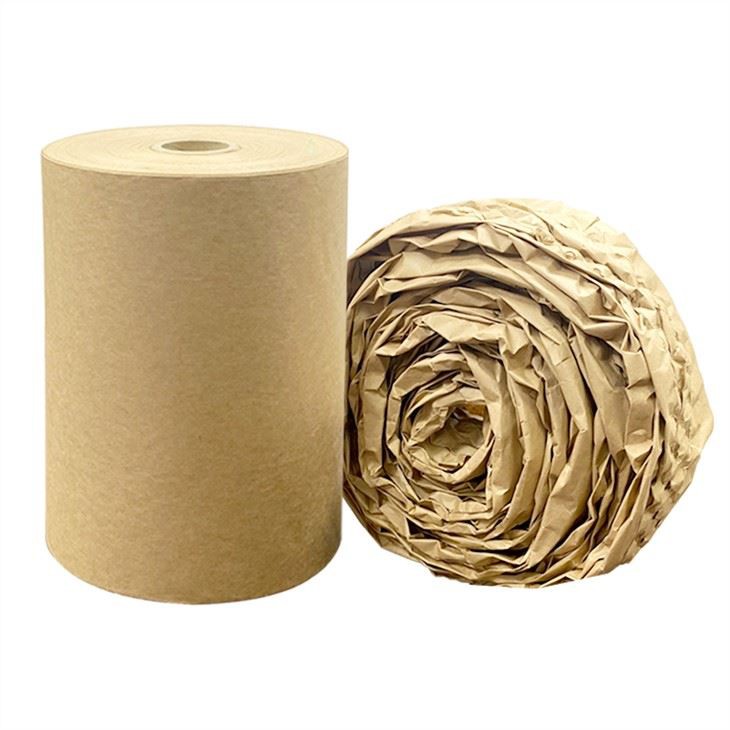
As the material is expanded, a flat paper web is transformed into a structured cushioning material. When compressed, the honeycomb cells flex and partially recover, creating a distinctive tactile response.
This interaction between the paper surface and three-dimensional structure gives the material a more defined physical character than a conventional flat paper sheet.
For consumer products and brands that place greater emphasis on packaging presentation, this tactile quality can help transform cushioning from a purely functional packaging component into a visible part of the unboxing experience.
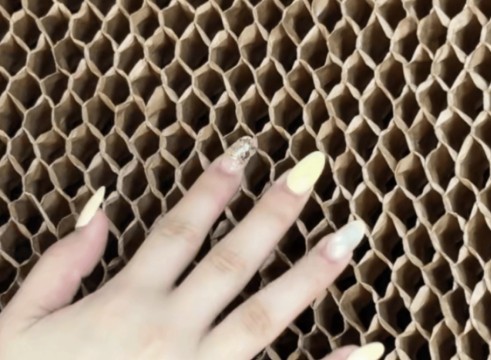
Material Experience: A Natural Look and Feel
Unboxing is shaped not only by appearance, but also by the way materials feel and respond during handling.
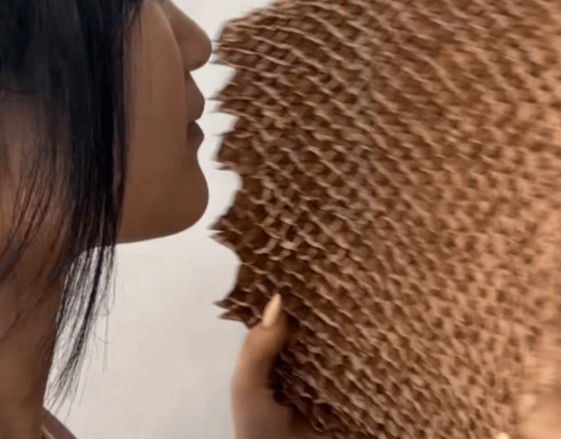
The visible fibers, paper texture and three-dimensional structure of honeycomb cushioning give the material a distinct character. Rather than presenting the cushioning as a hidden logistics component, brands can incorporate it into the overall packaging design and unboxing experience.
This approach is particularly relevant for companies looking to reduce the use of plastic-based protective materials while maintaining an intentional and well-designed package presentation.
Structural Performance: Evaluating Paper Cushioning Through Data
Paper-based packaging is sometimes associated primarily with lightweight applications. However, the performance of a cushioning material depends on more than the paper itself. Material properties, thickness, geometry and structural configuration all influence its compression behavior.
For 3D honeycomb paper mat, the three-dimensional cell structure plays an important role in how external loads are distributed through the material.
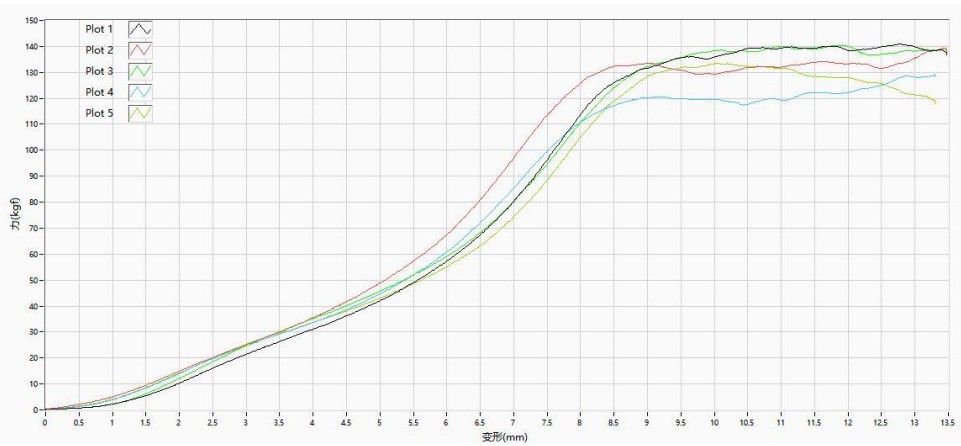
In an internal compression test, samples made from approximately 100 gsm paper and expanded to a nominal thickness of around 40 mm demonstrated meaningful compression resistance under defined test conditions.
In one representative test configuration, the recorded peak compressive load reached approximately 140 kgf over a 10 cm² contact area.
This result should be interpreted within the specific test conditions and should not be considered a universal product load rating. Actual packaging performance can vary depending on material specifications, sample dimensions, structural configuration, load distribution, compression direction, product geometry and transportation conditions.
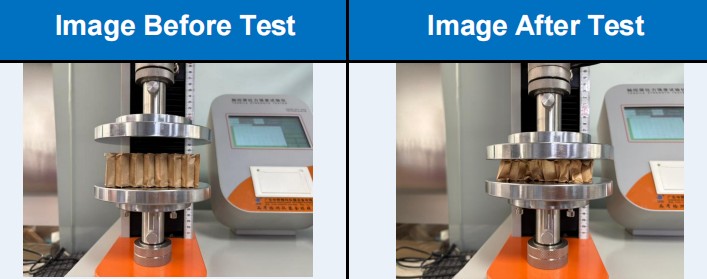
The important point is the engineering principle behind the result.
A flat sheet of paper primarily behaves as a planar material. When formed into a three-dimensional honeycomb structure, multiple cells work together to distribute and transfer applied loads. Instead of relying on a single point to absorb the force, the interconnected structure helps spread the load across a larger area.
From Customer Experience to Packaging Performance
The future of packaging will not be defined simply by choosing between paper and plastic.
Instead, packaging decisions are increasingly being evaluated across multiple dimensions, including material selection, structural design, product protection, operational efficiency, customer experience and sustainability.
For brands and manufacturers, an effective protective packaging solution needs to address different priorities across the value chain.
Consumers may evaluate the appearance and feel of the package. Packaging engineers need measurable structural performance. Procurement teams look for consistency, application value and operational efficiency. Sustainability teams increasingly consider material reduction, plastic reduction, recyclability and evolving regulatory requirements.
This broader perspective is particularly relevant as packaging regulations, including the EU Packaging and Packaging Waste Regulation (PPWR), continue to influence packaging design and material selection.
Rather than treating regulatory compliance as a separate consideration, companies can incorporate packaging optimization, material efficiency and recyclability into the initial design process.


Popular Products
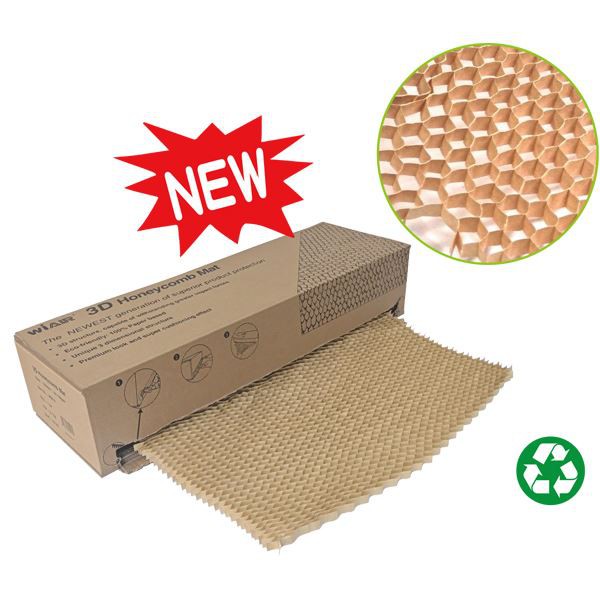
 3D Honeycomb Paper Mat Box Dispenser3D Honeycomb Paper Mat Box DispenserThe perfect fragile wrap material! This dispenser Box is so easy to operate! Just pull the Honeycomb Material from the Box and tear it off manually. Every box contains up to 30 meters stretched 3D Honeycomb Paper Mat Material....READ MORE
 3D Honeycomb Paper Mat3D Honeycomb Paper MatThe 3D Honeycomb Paper Mat Systems are converting the Honeycomb Paper Core Material into the 3 dimensional structured 3D Honeycomb Paper Mat packaging material which offers both, superior cushioning effect and highest flexibility...READ MORE
 Honeycomb Paper SleeveHoneycomb Paper Sleeve3D Honeycomb Paper Sleeve-The Plastic-Killing Revolution! 100% biodegradable, hexagonal structure replaces bubble wrap & foam! Unmatched shockproof protection for electronics, fragile goods and industrial parts...READ MORE
 Triple Fold Kraft PaperTriple Fold Kraft PaperWhy choose paper cushion packaging? At present, the buffer packaging on the market basically uses plastic consumables, a large part of which are non-degradable and non-recyclable, causing great pollution to the environment. Countries around the world have successively introduced policies to...READ MORE
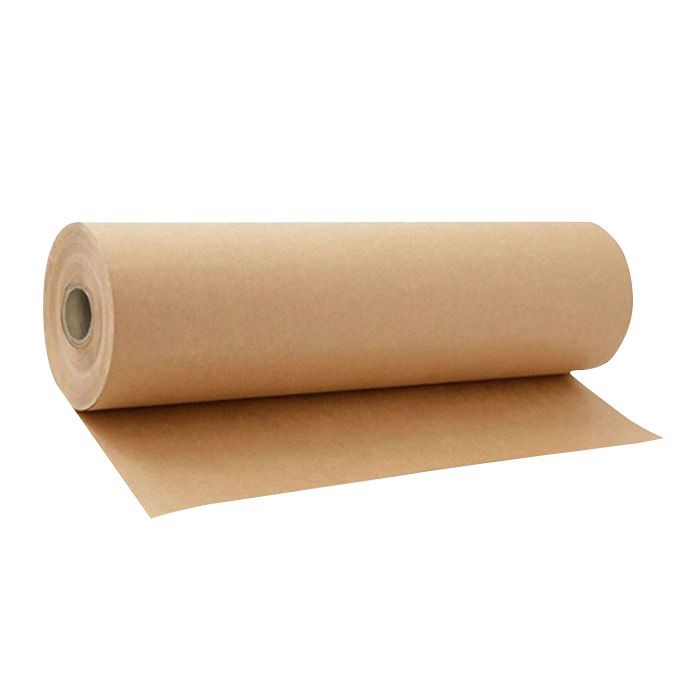
 Roll Cushion PaperRoll Cushion PaperKraft paper rolls are made of natural coniferous resin fibers, which can be degraded and decomposed, so they will not harm the environment. The kraft paper roll is extruded by the paper pad machine to become a kind of cushion paper cushion, which can be used to wrap items or fill space with good cushioning effect..READ MORE
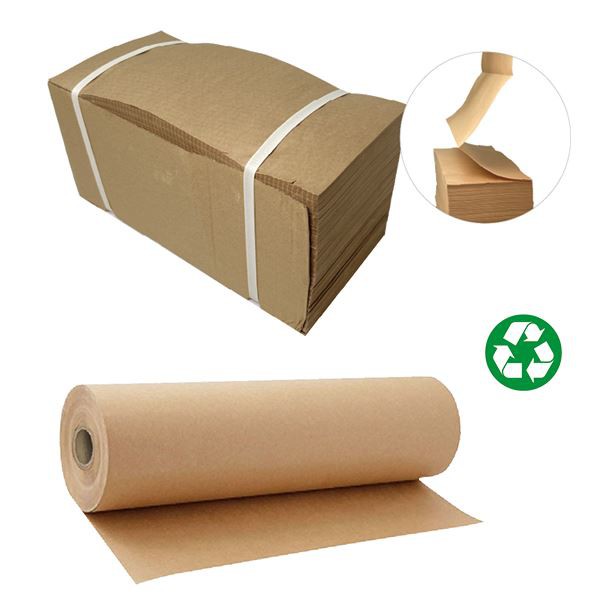
 Z-Fold Cushion PaperZ-Fold Cushion PaperRip & Go - Eco Protection Revolution! Tear free no tools required! Special pre-cut tear lines let you snap perfect lengths - zero waste! Made from reinforced paper pulp, protects up to 10kg items (100% recyclable!)...READ MORE
Send Inquiry