


News
Lightweight products have long relied on plastic bubble wrap for wrapping and cushioning. It is lightweight, flexible, easy to handle, and familiar to packaging operations across e-commerce, consumer goods, cosmetics, and everyday products.
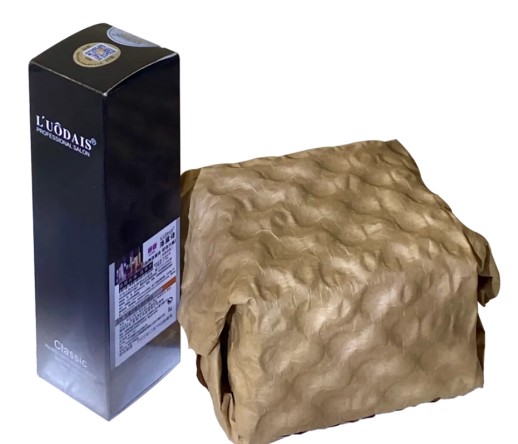
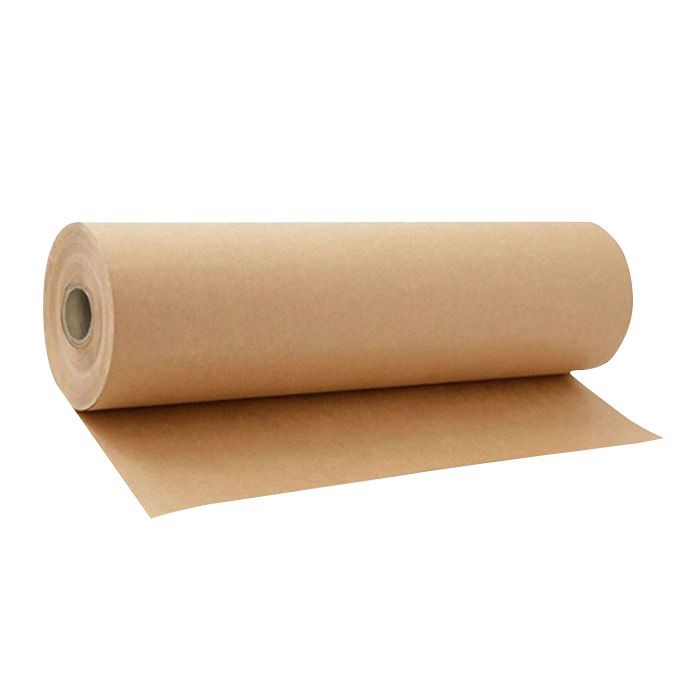
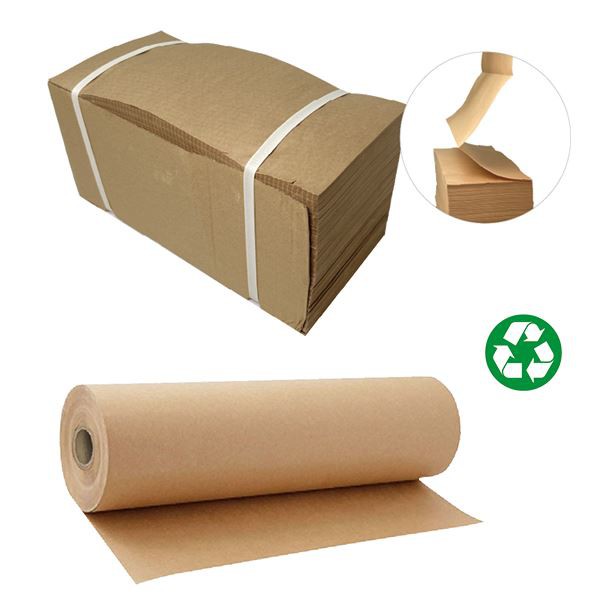
As the EU PPWR drives packaging reduction and more efficient material use, companies are rethinking everyday packaging materials. For light-duty products, Paper-Bubble offers a paper-based alternative to plastic bubble wrap, using an embossed structure to create cushioning space for wrapping, scratch protection, separation, and basic cushioning.
Why Rethink the Packaging Used for Lightweight Products?
Plastic bubble wrap became popular for a simple reason: it is light, soft, flexible, and easy to use. For many lightweight products, it provides a convenient way to wrap individual items and add a basic layer of protection.
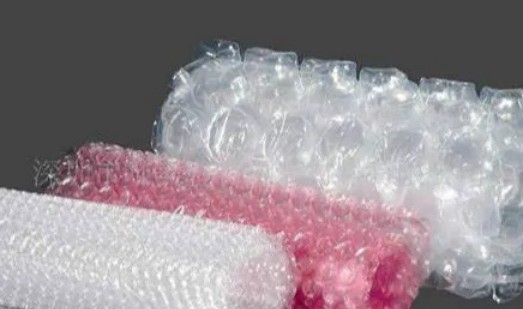
For companies shipping high volumes of lightweight products, even small amounts of plastic per package can add up. Replacing frequently used materials like plastic bubble wrap can be a practical first step toward reducing plastic use—without redesigning the entire packaging system.
Paper-Bubble Is More Than Paper Replacing Bubble Wrap
Simply wrapping a product in conventional kraft paper does not necessarily provide the same combination of wrapping and cushioning.
The key difference with Paper-Bubble is the structure—not simply the paper itself.
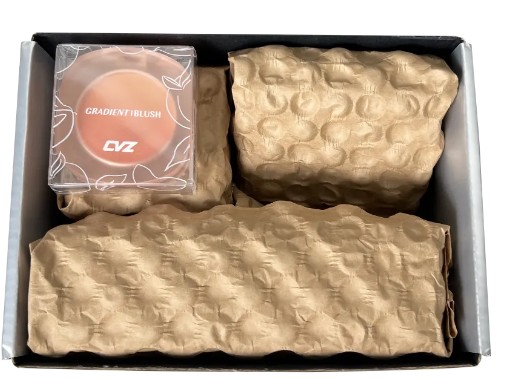
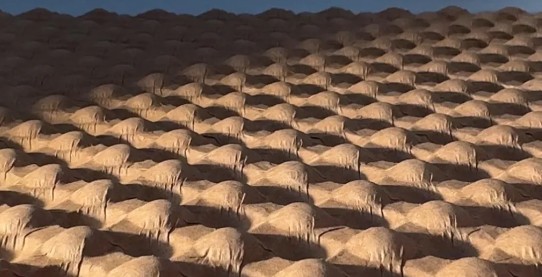
Through an embossed design, flat paper is formed into a three-dimensional protective layer with added thickness and cushioning space. This allows the material to perform multiple functions, including wrapping, scratch protection, separation, and basic cushioning.
Instead of simply adding more material, use structure to make the existing material work harder.
For packaging designers and procurement teams, this distinction matters. Material efficiency is not only about reducing thickness or weight. It is also about how effectively the material performs its intended protective function.
Packaging Can Also Be Part of the Brand Experience
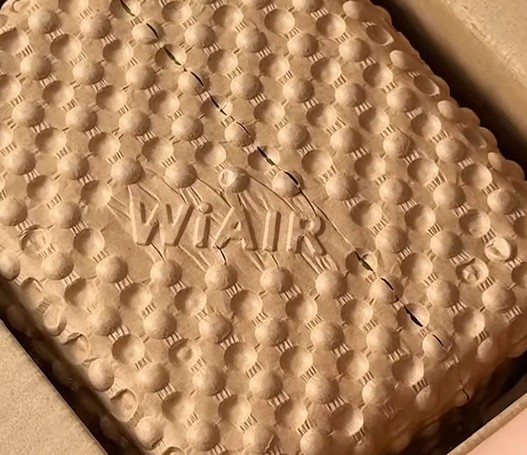
Protective packaging can do more than protect a product—it can also strengthen the brand experience. Paper-Bubble can be customized with logos and brand elements, turning protective material into part of the unboxing experience. For cosmetics, skincare, gifts, and premium e-commerce, it offers a simple way to combine product protection with brand recognition.
Start the Upgrade With One Roll of Bubble Wrap
Start the Upgrade With One Roll of Bubble Wrap
For lightweight products, packaging optimization should not be reduced to one question: “How can we use less material?”
A better question is:
Can the same packaging function be achieved with a more appropriate material and structure?
Paper-Bubble provides a paper-based option for wrapping, scratch protection, separation, and basic cushioning while helping companies reduce their reliance on conventional plastic bubble wrap.
For businesses looking to make the transition practical, the change can start small: evaluate one frequently used plastic cushioning material, test a paper-based alternative against the actual protection requirements, and then determine whether the solution can be scaled.
This approach also changes how packaging materials are sourced and produced.
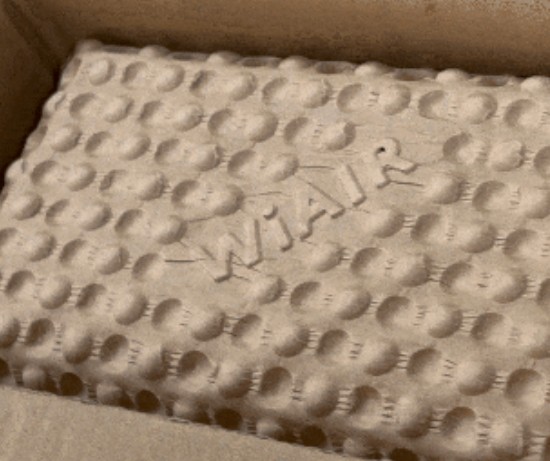
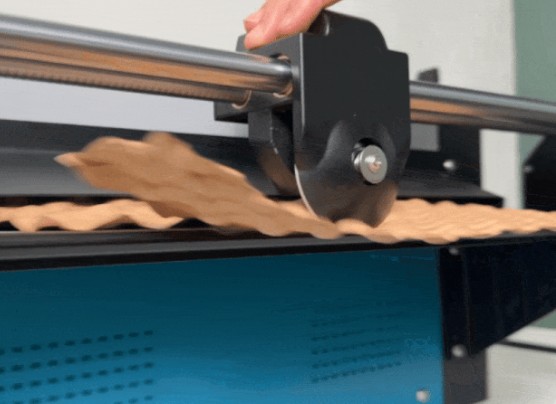
With WiAIR, the solution can extend beyond the consumable itself to an integrated equipment + material approach. Companies can produce Paper-Bubble according to their own product sizes and packaging requirements, giving them greater flexibility in material supply and helping align production capacity with actual packaging demand.
Less Plastic Doesn't Have to Mean Less Protection
Reducing plastic does not necessarily mean removing protection. Reducing material does not necessarily mean reducing packaging value.
The more useful direction is to move away from simply stacking more material and toward using structure, material efficiency, and functional design to achieve the protection a product actually needs.
The real upgrade is not about using less just for the sake of using less. It is about making every layer of packaging work harder.


Popular Products
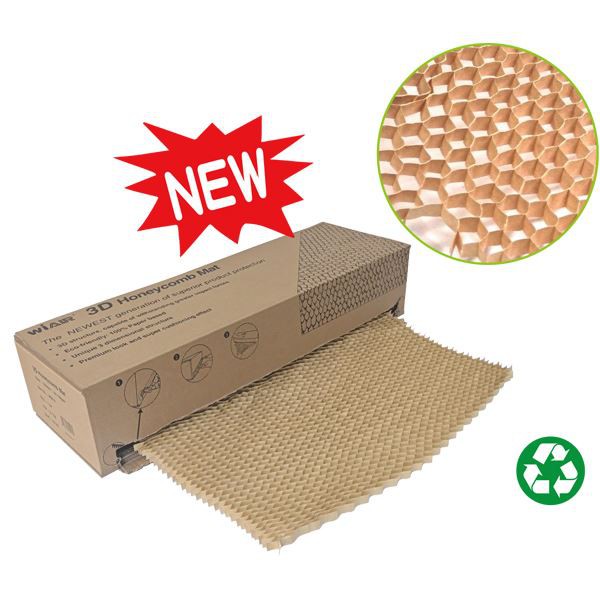
 3D Honeycomb Paper Mat Box Dispenser3D Honeycomb Paper Mat Box DispenserThe perfect fragile wrap material! This dispenser Box is so easy to operate! Just pull the Honeycomb Material from the Box and tear it off manually. Every box contains up to 30 meters stretched 3D Honeycomb Paper Mat Material....READ MORE
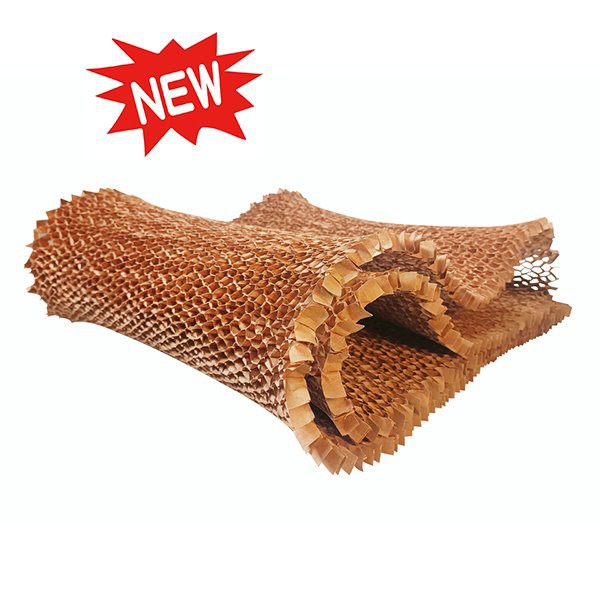
 3D Honeycomb Paper Mat3D Honeycomb Paper MatThe 3D Honeycomb Paper Mat Systems are converting the Honeycomb Paper Core Material into the 3 dimensional structured 3D Honeycomb Paper Mat packaging material which offers both, superior cushioning effect and highest flexibility...READ MORE
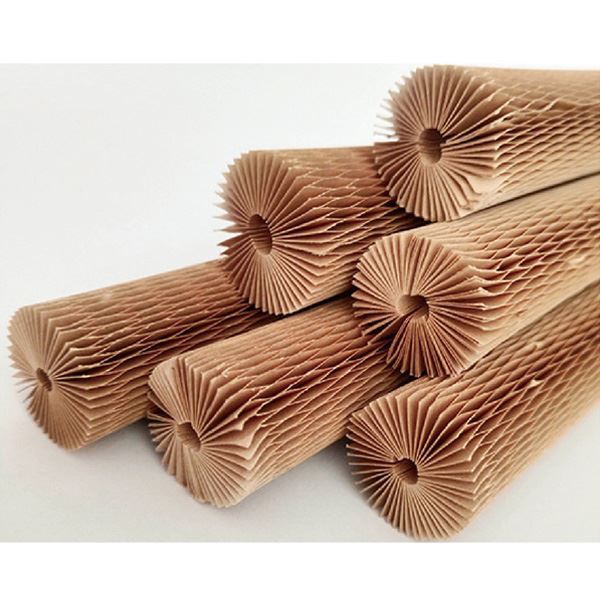
 Honeycomb Paper SleeveHoneycomb Paper Sleeve3D Honeycomb Paper Sleeve-The Plastic-Killing Revolution! 100% biodegradable, hexagonal structure replaces bubble wrap & foam! Unmatched shockproof protection for electronics, fragile goods and industrial parts...READ MORE
 Triple Fold Kraft PaperTriple Fold Kraft PaperWhy choose paper cushion packaging? At present, the buffer packaging on the market basically uses plastic consumables, a large part of which are non-degradable and non-recyclable, causing great pollution to the environment. Countries around the world have successively introduced policies to...READ MORE
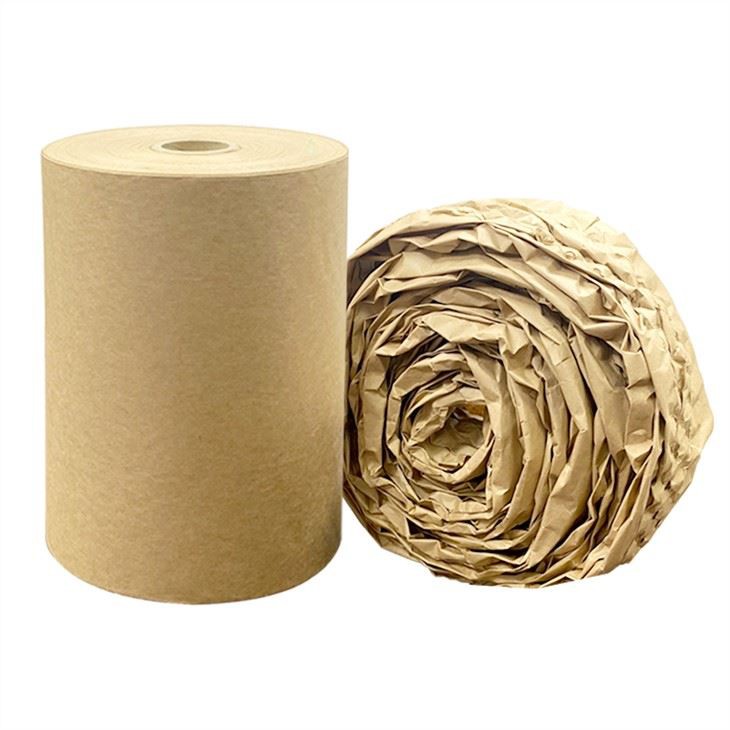
 Roll Cushion PaperRoll Cushion PaperKraft paper rolls are made of natural coniferous resin fibers, which can be degraded and decomposed, so they will not harm the environment. The kraft paper roll is extruded by the paper pad machine to become a kind of cushion paper cushion, which can be used to wrap items or fill space with good cushioning effect..READ MORE
 Z-Fold Cushion PaperZ-Fold Cushion PaperRip & Go - Eco Protection Revolution! Tear free no tools required! Special pre-cut tear lines let you snap perfect lengths - zero waste! Made from reinforced paper pulp, protects up to 10kg items (100% recyclable!)...READ MORE
Send Inquiry